Frequently Asked Questions
What is the role of downspouts in foundation drainage?
Downspouts play a crucial role in foundation drainage by channeling rainwater away from the home's foundation, preventing moisture buildup and potential structural damage.
What is the purpose of a foundation drainage system?
The purpose of a foundation drainage system is to effectively manage water around the home's foundation, preventing moisture buildup and potential structural damage.
What is the cost of foundation drainage repair?
The cost of foundation drainage repair can vary depending on the extent of the work required, the size of the property, and the specific drainage solution needed. Estimates typically range from ,000 to ,000 for a comprehensive foundation drainage system.
Can foundation drainage problems cause structural damage?
Yes, foundation drainage problems can indeed cause structural damage. Improper drainage around the home's foundation can lead to moisture buildup, soil erosion, and eventual foundation settling or cracking, which can compromise the structural integrity of the entire building.
How do French drains solve foundation drainage problems?
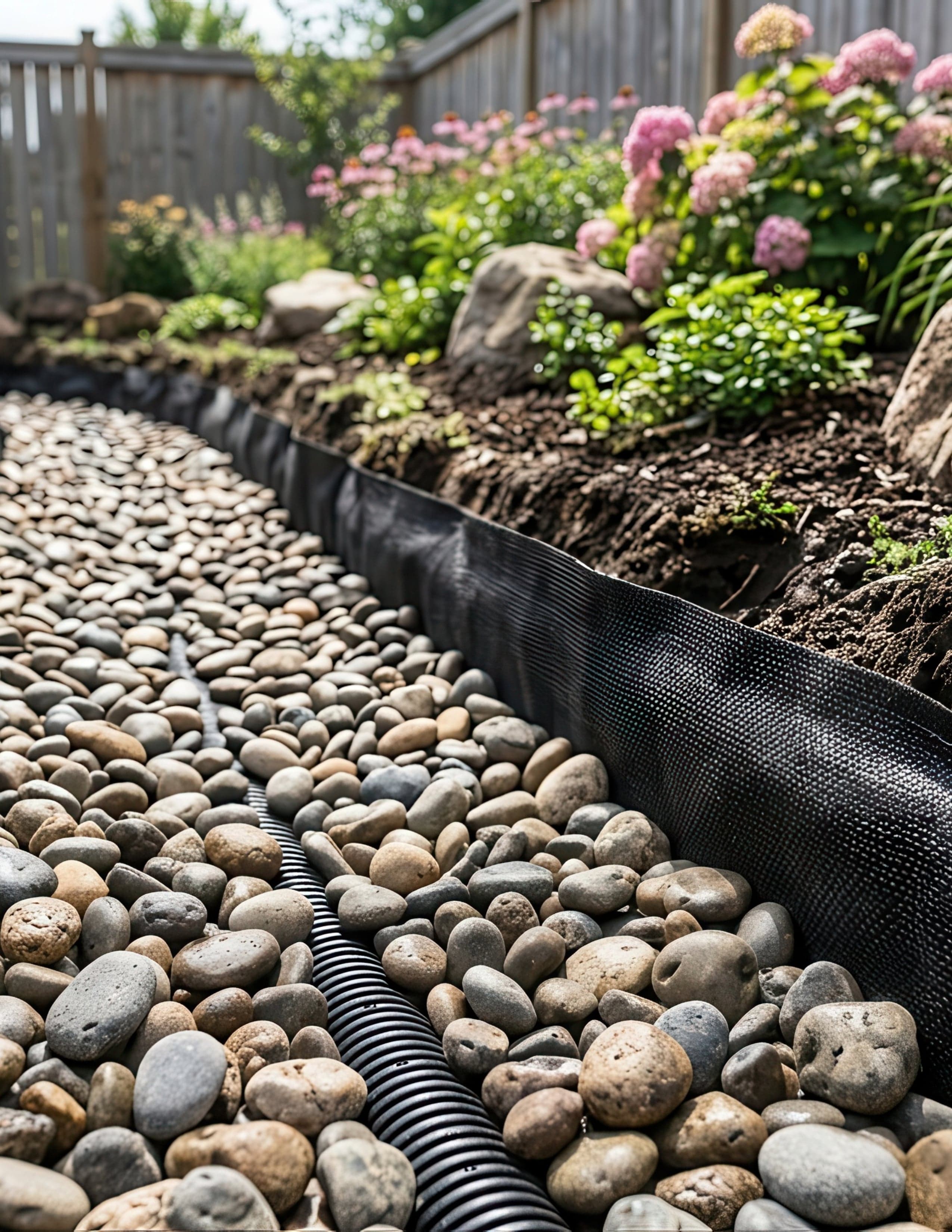
French drains help solve foundation drainage problems by diverting excess water away from the home's foundation, reducing the risk of moisture-related structural damage.
How do I prevent foundation drainage issues in new construction?
Preventing foundation drainage issues in new construction involves proper site grading, installing downspout extensions, and implementing a comprehensive drainage system to divert water away from the foundation.
How do I know if I need foundation drainage repair?
Signs you may need foundation drainage repair include visible cracks in the foundation, uneven floors, and pooling water around the home's perimeter. Consulting a professional foundation repair expert can help identify drainage issues and determine the appropriate solutions.
What are the signs of foundation water damage?
The signs of foundation water damage include cracks in the walls or floors, uneven floors, sticking doors or windows, and excessive moisture or mold in the basement or crawl space.
How long does foundation drainage repair typically take?
The duration of foundation drainage repair typically ranges from 2 to 5 days, depending on the complexity of the project and any additional work required, such as landscaping or sewer line replacement.
Can I DIY foundation drainage repair or hire a pro?
Whether to DIY foundation drainage repair or hire a professional depends on the complexity of the issue and your own skill level. Complex drainage problems often require the expertise of a licensed contractor to ensure proper installation and prevent further damage.
What are the consequences of ignoring foundation drainage issues?
Ignoring foundation drainage issues can lead to serious problems, including structural damage, water intrusion, and costly repairs. Proper drainage is essential to protect the foundation and prevent long-term issues.
What are the benefits of professional foundation drainage repair?
Professional foundation drainage repair can help prevent water damage, stabilize the foundation, and improve the overall structural integrity of a home. Proper drainage also helps to reduce the risk of costly foundation repairs in the future.
Can clogged gutters lead to foundation drainage problems?
Yes, clogged gutters can lead to foundation drainage problems. Clogged gutters prevent proper water drainage, causing water to overflow and accumulate around the foundation, which can compromise the structural integrity of the home.
How often should I inspect my homes foundation drainage?
It is recommended to inspect your home's foundation drainage system at least once a year to ensure proper water flow and prevent any structural damage.
What causes water accumulation around a homes foundation?
Water accumulation around a home's foundation can be caused by improper drainage, excessive rainfall, high groundwater levels, or poor grading and landscaping that directs water towards the foundation.
What are the differences between interior and exterior drainage systems?
The main difference between interior and exterior drainage systems is their location and purpose. Interior drainage systems are installed within the home to manage water intrusion, while exterior drainage systems are installed around the home's foundation to divert water away from the structure.
How do I identify foundation drainage issues in my basement?
Identifying foundation drainage issues in your basement involves looking for signs of water intrusion, such as dampness, musty odors, or visible water stains on the walls or floors. Excess moisture can lead to structural damage, so addressing drainage problems promptly is crucial.
How does poor drainage affect a homes foundation?
Poor drainage can cause soil to become oversaturated, leading to foundation settlement and structural damage over time. Proper drainage is crucial to maintain the stability and integrity of a home's foundation.
Can a sump pump help with foundation drainage?
A sump pump can help with foundation drainage by removing excess water from the soil around the home's foundation, reducing the risk of moisture-related structural damage.
Can foundation drainage issues be prevented altogether?
Yes, foundation drainage issues can be prevented through proactive measures like proper grading, installing downspout extensions, and ensuring adequate drainage around the home's perimeter to divert water away from the foundation.
What maintenance is required for foundation drainage systems?
Regular maintenance of foundation drainage systems involves clearing debris from gutters, downspouts, and drainage pipes, as well as inspecting and repairing any damage to ensure proper water flow away from the home's foundation.
How do I choose a foundation drainage contractor?
Choosing the right foundation drainage contractor involves evaluating their experience, licensing, and references to ensure they can effectively address your specific drainage needs and prevent further foundation issues.
What materials are best for foundation drainage?
The best materials for effective foundation drainage are perforated pipes, gravel, and filter fabric. These materials help divert water away from the foundation, preventing moisture buildup and structural damage.
How can I improve my yards drainage?
Improving your yard's drainage can be achieved by installing drainage systems, grading the land to slope away from your home, and planting drought-resistant vegetation to absorb excess moisture.
What are common foundation drainage system failures?
Common foundation drainage system failures include clogged drains, improper grading, damaged downspouts, and inadequate installation. These issues can lead to water accumulation around the foundation, causing structural damage over time.
How does soil type affect foundation drainage?
Soil type affects foundation drainage by determining how water is absorbed and drained. Clay-based soils retain more moisture, while sandy soils allow for better drainage, impacting the risk of foundation issues.
What is the lifespan of a drainage system?
The lifespan of a drainage system can vary, but it is typically designed to last between 20 to 50 years with proper maintenance and repairs.
How can I assess my foundation drainage needs?
To assess your foundation drainage needs, inspect the soil around your home for signs of poor drainage, such as standing water or excess moisture. Additionally, check for cracks or settling in the foundation, which may indicate drainage issues.
What permits are needed for drainage installation?
The permits needed for drainage installation typically include a building permit and, in some cases, a plumbing permit, depending on the local regulations and the specific drainage system being installed.
How do seasonal changes impact foundation drainage?
Seasonal changes in temperature and precipitation can significantly impact foundation drainage, as fluctuations in soil moisture levels can lead to foundation movement and potential structural damage.