
Houston Foundation Woes? Cracked Walls Are a Red Flag!
See tiny fissures snaking across your walls and wonder if your home’s foundation is staging a silent protest? In Houston, those cracks often whisper tales of shifting soil, poor drainage, or just the natural settling that happens over time. This guide breaks down the common foundation cracks culprits, explains why Houston’s unique soil is a major player, pinpoints when you need to call in the cavalry, gives you a heads-up on costs, and showcases the rock-solid solutions available. You’ll learn to spot the difference between a cosmetic hairline and a serious structural scream, figure out which blemishes demand immediate attention, and discover how Allied Foundation’s free inspections, ironclad lifetime warranties, and deep local know-how are your best defense. Plus, we’ll cover how to keep your foundation happy and healthy and point you to the best Houston repair pros.
What Kind of Foundation Cracks Are We Talking About?
We categorize foundation cracks by how they look and how bad they seem, which helps us figure out the best way to fix them. Knowing the difference between a tiny hairline and a gaping horizontal split is key to assessing the damage and choosing the right fix. In Houston’s notoriously tricky clay soil, spotting these distinctions is crucial for deciding whether to just keep an eye on things or call the structural superheroes.
Here’s your quick visual rundown of the usual suspects:
| Crack Type | What It Looks Like | How Serious Is It? |
|---|---|---|
| Hairline | Super thin, like a strand of hair, less than 1 mm wide | Usually just looks bad or means minor settling |
| Vertical | Straight up and down, from ceiling to floor | Often from drying out or slight settling |
| Horizontal | Runs straight across, like a bed joint | Could be water pressure or soil pushing out |
| Diagonal & Stair-Step | Angled lines, often following the mortar in brickwork | Signals uneven sinking of the foundation in masonry walls |
Once you know the types, we can dive deeper into what each one means for your home.
Hairline Cracks: Are They a Big Deal?
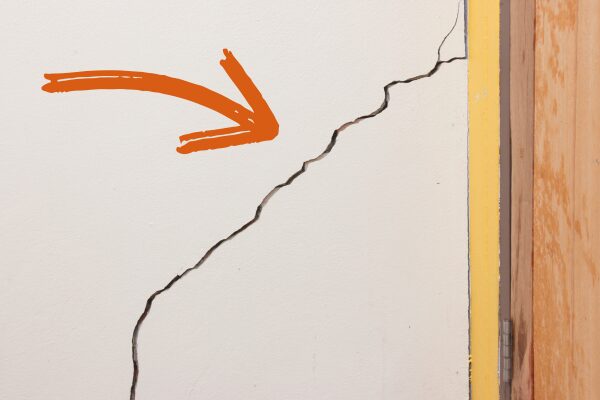
Hairline cracks are those super-fine lines, less than a millimeter wide, that pop up in plaster or drywall. They’re usually just a sign of minor settling or materials shrinking as they dry out. Think of them as surface-level cosmetic issues, not structural meltdowns. They rarely get bigger fast or make your doors and windows stick. For instance, new homes often show these as they dry and settle. It’s smart to keep an eye on them, especially after big rain or dry spells, just to make sure they stay tiny and stable before you worry about bigger issues.
Vertical Cracks: What Do They Tell Us About Foundation Movement?
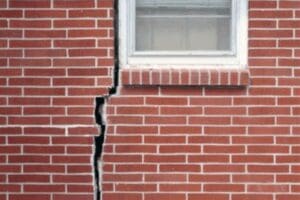
Vertical cracks show up when concrete or masonry shrinks as it cures or experiences a bit of settling under a uniform load. These are usually straight fractures, typically less than 3 mm wide, and often run from the ceiling all the way down to the floor. They can signal a slight drop in the foundation or the soil compacting a bit under one part of the slab. While they’re usually less concerning than horizontal cracks, if they start getting wider over a few months, it’s a sign of ongoing movement that needs a closer look. Keep tabs on their growth and see if your doors are starting to hang crooked; that’s your cue to call in the pros.
Horizontal Cracks: A Serious Structural Warning Sign?
Horizontal cracks run parallel to the ground and are often found in basement or retaining walls that are being pushed by soil pressure from the outside. In Houston’s clay soil, which expands and contracts with moisture, this can create serious hydrostatic forces pushing against your walls. These aren’t your minor hairline cracks; they can be wide, compromise the wall’s integrity, and even cause it to bow inward. This is a critical structural distress signal that demands immediate expert attention. You’ll need underpinning solutions, like steel piers or wall anchors, to fight back against the soil pressure and get your wall back to its load-bearing job.
Diagonal and Stair-Step Cracks: What's the Story on Uneven Settlement?
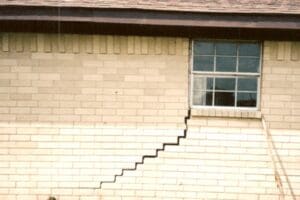
Diagonal and stair-step cracks snake along the mortar lines in brick or block walls. They’re a tell-tale sign of differential settlement, essentially meaning that one part of your foundation is sinking more than another. This often happens near windows and doors as the weight shifts unevenly, causing those angled fractures to climb the joints. This kind of irregular movement can mess with how your home’s weight is distributed and lead to more wall distortion if you ignore it. Fixing uneven settlement usually means installing targeted piers or using slab-lifting techniques to get everything level again and stop the masonry damage.
What's Causing Wall Cracks in Houston Homes?
Cracks in Houston homes are often a direct result of the local environment and soil conditions. The combination of expansive clay soil, drainage issues, and natural settling creates pressure shifts that show up as cracks. Understanding these root causes helps you figure out if you just need to watch a crack, do a quick fix, or get a full foundation overhaul.
How Does Houston's Expansive Clay Soil Mess with Foundations?
Expansive clay soil is a real handful. It swells up when it’s wet and shrinks down when it’s dry. This constant “shrink-swell” cycle puts a lot of pressure on foundations, lifting corners and then letting them drop as the moisture changes. Over the years, this movement can turn small cracks into big problems. That’s why managing moisture and having solid structural support are so important to counteract these clay-induced shifts.
Expansive Soils and Residential Foundations in Arizona
Study of expansive soils and residential foundations on expansive soils in Arizona, CE Zapata, 2011
Why Is Bad Drainage a Foundation Killer in Houston?
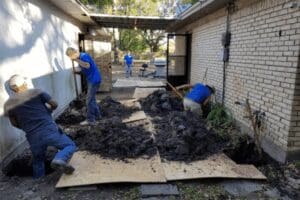
When water sits around your house or flows towards the foundation, it builds up hydrostatic pressure against your footings and walls. This adds weight and can cause lateral movement. If your gutters are clogged, your yard slopes the wrong way, or your downspouts are blocked, water will find its way to your foundation. This can erode soil and saturate the clay underneath, turning stable ground into a soggy mess. Fixing drainage with French drains, proper grading, and extended downspouts is crucial for diverting excess water, reducing soil pressure, and preventing new cracks.
How Do Age and Natural Settling Affect Wall Cracks?
Every house settles a bit as the soil underneath compacts from the structure’s weight, especially in the first few years. This normal process can lead to minor vertical cracks and hairline fissures that usually stabilize over time. However, as homes age, things like leaky plumbing, increased loads, and changing moisture patterns can speed up differential movement. This can turn those harmless settling cracks into serious warnings of deeper foundation trouble. Regular inspections are your best bet for telling the difference between normal settling and damage that needs attention.
When Should You Start Worrying About Wall Cracks?
Not every crack is a five-alarm fire, but some sizes, patterns, and accompanying symptoms are definite red flags for serious foundation damage. Knowing what to look for helps you decide when it’s time to move from casual observation to professional assessment and repair.
What Crack Sizes and Types Scream "Serious Foundation Damage"?
Cracks wider than 5 mm, especially those running horizontally or in a stair-step pattern, signal significant soil pressure or uneven settlement that’s compromising your home’s structure. Cracks that are getting wider fast, reappearing in the same spots, or intersecting each other also point to active movement. These usually require underpinning, slab jacking, or other advanced stabilization techniques to get the load transfer back on track and stop further damage.
What Other Signs Point to Foundation Problems Besides Cracks?
Beyond the cracks themselves, pay attention to doors and windows that stick or jam, floors that slope or feel uneven, and gaps appearing between walls, ceilings, and floors. If a door suddenly becomes difficult to open or closes crookedly, it’s a strong indicator that your walls are shifting. And if you place a marble on a floor and it rolls downhill, your foundation is definitely not level. Noticing these related symptoms alongside cracks gives you a complete picture of your foundation’s health.
When Is It Absolutely Critical to Call a Houston Foundation Expert?
You need to bring in a qualified specialist when cracks get wider than the critical limit, show a significant horizontal orientation, or appear alongside those other distress signals we just talked about. A professional inspection uses specialized tools, soil reports, and moisture analysis to pinpoint the root causes and design solutions that are just right for your home. Allied Foundation offers free, no-obligation evaluations all over Houston, combining our local soil expertise, lifetime warranties, and certified repair methods to ensure your foundation stays solid for good.
How Much Does Foundation Repair Cost in Houston for Cracked Walls?
Foundation repair costs in Houston can really vary depending on how bad the cracks are, the type of repair needed, and the specifics of your property. Getting a clear picture of pricing helps you budget wisely and compare different service options.
What's the Average Price Tag for Different Crack Repairs?
For minor hairline cracks, you’re looking at sealing jobs that typically cost between $250 and $600. Stabilizing vertical cracks with minimal underpinning might run from $1,200 to $3,000. But if you’ve got serious horizontal cracks that need concrete piers or wall anchors, you’re probably starting around $4,000 and it could easily go over $12,000 for severely bowed walls. These numbers are just estimates, of course, and usually include materials, labor, and warranty coverage.
What Factors Drive Up Foundation Repair Costs in Houston?
The big cost drivers include the type of soil you have, how wide and extensive the cracks are, the kind of foundation you have, and how easy it is for crews to access the area. Homes on expansive clay sites often need more robust moisture control systems. Pier and beam homes might require replacing timber or concrete posts. If you need additional plumbing, grading, or landscaping work done, that will add to the bill, too. Understanding these variables helps explain why quotes can differ so much between companies. For detailed costs, refer to the cost to fix a foundation in 2020.
How Do Free Inspections and Estimates Actually Work?
A free inspection starts with a visit to your home. Our specialists will measure your cracks, check moisture levels, and inspect the overall structural alignment. They’ll document everything, suggest the best repair options, and give you a detailed, no-obligation cost estimate. This transparent process ensures you know exactly what the repair involves, what you’re paying for, and what warranty you’ll get before you commit to anything.
What Are the Best Foundation Repair Solutions for Cracked Walls in Houston?
Picking the right repair method depends on the type of crack, your soil conditions, and your budget. The goal is always a long-lasting solution that gets your home’s structure back in solid shape.
How Do Pier and Beam Repairs Fix Foundation Movement?
Pier and beam repairs involve installing concrete or steel piers underneath your foundation. These piers act as supports to resist sinking and lift up areas that have settled. By transferring the load to more stable soil layers deep below the expansive clay, these supports can re-level your floors and close up cracks without tearing up your slab. This method boosts stability and can be combined with other techniques like pier and beam foundations for a complete fix.
What's the Deal with Concrete Piers and Wall Guards?
Concrete piers are like giant screws that are driven deep into load-bearing soil layers. They stabilize foundations quickly and with minimal disruption. Wall guards are installed in a sequence along bowing walls. They connect anchors outside the home to interior wall plates, counteracting lateral soil pressure. Both of these technologies allow for precise load adjustments and often come with lifetime warranties for lasting peace of mind.
How Can Better Drainage Stop Future Foundation Damage?
Smart drainage solutions cut down on the soil moisture swings that cause foundation movement. Installing French drains around your home’s perimeter, grading your yard so water slopes away from the foundation, and adding extensions to your gutters all help divert water before it can soak into that expansive clay. Even root barriers around trees that seek out moisture can protect soil stability and prevent new cracks from forming.
How Can Houston Homeowners Keep Foundation Problems and Cracked Walls at Bay?
A little proactive maintenance and smart landscaping can go a long way in managing soil-driven movement and keeping your foundation healthy for years to come.
What Drainage Solutions Are Best for Protecting Foundations?
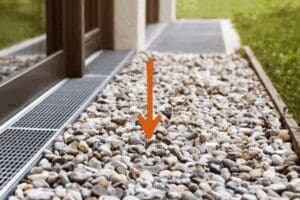
A solid drainage plan means sloping your soil away from the house, using perforated pipes to channel water, and keeping your gutters clear. These steps prevent water from pooling near your footings, reduce hydrostatic pressure, and limit soil expansion under your slab. Make sure to check your drains seasonally to ensure they’re flowing freely and doing their job.
How Does Managing Tree Roots Help Keep Foundations Stable?
Tree roots are thirsty! They suck moisture out of the soil, which can create voids that lead to uneven settlement. Installing root barriers, choosing drought-tolerant plants, and planting trees at a safe distance from your home ensures their root systems won’t mess with your foundation. Occasionally, pruning roots near the slab can also help maintain soil consistency and prevent new cracks.
What Maintenance Tips Can Help Monitor and Minimize Wall Cracks?
Make it a habit to inspect your walls, door frames, and floor levels every few months. Installing moisture sensors in your crawl space can help you catch leaks early. And sealing up minor cracks as soon as you spot them prevents debris from getting in and making them worse. Consistent monitoring means you can tackle small issues before they blow up into major structural headaches.
Where Can Houston Homeowners Find Reliable Foundation Repair Services?
Choosing a trustworthy local contractor means the job will be done right and backed by solid guarantees, adding value to your property and giving you serious peace of mind.
Which Houston Neighborhoods See the Most Foundation Issues?
Areas like Humble, Conroe, Porter Heights, and Deer Park, which are built on deep clay deposits, frequently deal with foundation movement and cracked walls. Even newer developments in Katy, Sugar Land, and The Woodlands can face settling concerns if the construction didn’t fully account for the soil’s variability.
What Kind of Warranties and Financing Are Out There?
Reputable companies offer lifetime, transferable warranties that cover both materials and workmanship, giving you long-term protection. Many also provide flexible financing plans, including interest-free options and payment schedules that fit your budget, making essential repairs accessible without straining your finances.
How Do Customer Reviews Show Repair Success in Houston?
Real-world case studies, often featuring before-and-after photos, demonstrate how homes with cracked walls have been stabilized using methods like concrete piers or pier and beam systems. Homeowners frequently rave about prompt service, fair pricing, and the confidence that comes with lifetime warranties, highlighting the value of choosing local experts.
Tackling cracked walls head-on means stopping small fissures from turning into major structural hazards and protecting your home’s value. With Allied Foundation’s free inspections, our deep understanding of local soil, and our guaranteed repair solutions, Houston homeowners can get their stability back and their peace of mind restored. Reach out to a foundation specialist today to schedule your complimentary assessment and safeguard your investment.