
Uneven Floors: A Sign of Foundation Problems and Foundation Repair in Houston
Uneven floors often signal a deeper structural issue that can compromise the safety and value of your Houston home. Homeowners in Houston face unique challenges: from expansive clay soil to heavy rainfall, which can lead to sloping floors and foundation settlement. In this article, you will discover the common causes of uneven floors, key warning signs of foundation damage, the most effective repair methods, cost considerations, property-value preservation strategies, what to expect during a professional inspection, and a neighborhood breakdown of Houston areas most prone to foundation movement. By understanding these themes and learning how Houston’s weather affects your investment, you’ll gain the confidence to address uneven floors before they escalate into costly repairs.
What Are the Common Causes of Uneven Floors in Houston Homes?
Uneven floors result when the foundation no longer sits level on the soil beneath it. This problem arises from soil movement, moisture fluctuations, biological factors, or construction deficiencies that shift the base of your home. Addressing the root cause is crucial to stabilizing the foundation and restoring level floors without repeated callbacks.
How Does Houston's Expansive Clay Soil Affect Foundation Stability?
Expansive clay soil, common throughout Houston, swells when wet and shrinks in dry periods, exerting alternating upward and downward pressures on concrete slabs.
- The cyclical expansion-contraction process creates voids and heaving under portions of the foundation.
- Differential moisture retention leads to uneven load distribution and settlement.
- Heavy seasonal rains exacerbate clay expansion, then drought causes abrupt shrinkage.
These soil movements translate into sloping floors as some sections of the slab lift or sink more than others, making a level living surface impossible until the soil is stabilized and the foundation is reinforced.
What Is Differential Settlement and How Does It Cause Uneven Floors?
Differential settlement occurs when one part of your foundation sinks at a different rate than another, causing tilt and slope.
- Heavy loads, such as concentrated interior walls, bear down on soft soil, compressing it more rapidly.
- Uniform slabs over inconsistent soil types shift unevenly, leading to pronounced floor dips.
For example, a corner of your living room may drop two inches while the opposite corner remains stable, creating a visible slope that complicates furniture placement and door operation.
How Do Poor Drainage and Moisture Lead to Foundation Problems?
Poor drainage allows water to pool around the foundation and saturate the soil, undermining its load-bearing capacity.
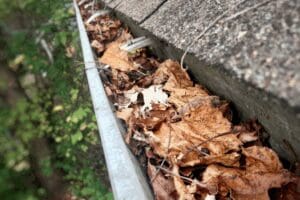
- Clogged gutters, downspouts too close to the house, and compacted soils prevent proper water diversion.
- Excess moisture erodes clay particles, then dries into shrink zones that no longer support the slab.
Common drainage issues include gutter overflow, grading that directs water toward the home, and standing water after storms. Effective moisture management preserves soil stability and prevents further floor settlement.
Can Tree Roots Cause Uneven Floors and Foundation Damage?
Tree roots growing beneath or beside your foundation can disrupt soil moisture levels and physically heave slab sections.
- Roots absorb large volumes of water, creating dry pockets that lead to soil contraction.
- Aggressive roots may exert upward pressure on concrete slabs, causing cracks and buckling.
A mature oak near your home can draw moisture from the soil faster than neighboring areas, resulting in uneven support and the visible sloping of floors above.
What Other Factors Contribute to Uneven Floors in Houston?
Beyond soil and moisture, uneven floors may stem from aging foundations, substandard construction practices, or hidden plumbing leaks.
- Older homes built before modern soil-stabilization techniques are more prone to settlement.
- Inadequate compaction of soil before pouring a slab can leave voids under the foundation.
- Plumbing leaks beneath the slab, wash away supporting soil, and create sinkholes.
Identifying each contributing factor ensures the repair method addresses not just the symptom of sloping floors but the underlying cause for a lasting solution.
What Are the Key Signs of Foundation Damage in Houston Homes?
Recognizing early warning signs of foundation damage can save homeowners thousands in repairs and prevent structural hazards. Uneven floors are one symptom among several that indicate your foundation may be failing.
How to Recognize Sloping or Uneven Floors as a Warning Sign?
Sloping floors manifest as gradual dips or sudden steps in your floor plane that you can feel when walking.
- Placing a marble on the floor can reveal a tilt if it rolls on its own.
- Uneven transitions between rooms suggest one area of the foundation has settled more.
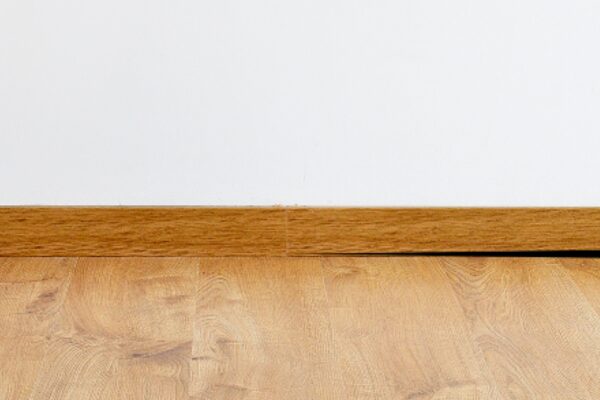
When floors pull away from baseboards or leave gaps under door sills, these are clear signals that your foundation no longer sits level and requires professional evaluation.

What Types of Wall and Brick Cracks Indicate Foundation Issues?
Diagonal or stair-step cracks in interior drywall or exterior brickwork often result from foundation movement.
- Cracks wider than 1/8 inch and those that ascend at a 30 to 45 degree angle signal differential settlement.
- Horizontal cracks in brick mortar can indicate lateral pressure from expansive soils against foundation walls.
Noting the pattern and width of cracks helps determine if the issue is cosmetic or symptomatic of deeper foundation cracks.
Why Do Doors and Windows Stick or Misalign with Foundation Problems?
Foundation movement can twist door frames and window jambs, causing sticking, jamming, or gaps around the frames.
- Uneven foundation deflection distorts rectangular openings into rhomboid shapes.
- A door that won’t latch or a window that won’t slide points to frame misalignment.
Regularly testing windows and doors throughout the home reveals incremental changes before severe damage occurs.
How Do Exterior Brick Cracks Signal Foundation Movement?
Exterior brickwork develops cracks in mortar joints or individual bricks as the foundation shifts below.
- A crack that mirrors the outline of the foundation’s edge indicates consistent movement along that line.
- Brick veneer separation from framing suggests inward or outward heave in the slab edge.
Timely repair of brick cracks prevents water intrusion that can further compromise the foundation and interior finishes.
When Should Houston Homeowners Seek a Professional Foundation Inspection?
Houston homeowners should arrange an inspection as soon as they notice sloping floors, wall cracks, or sticking doors.
- Early detection allows for targeted interventions before widespread settlement occurs.
- A comprehensive inspection identifies soil conditions, moisture issues, and structural damage.
Allied Foundation offers free foundation inspections in Houston, using experienced technicians to diagnose root causes and recommend tailored repair plans that align with your home’s needs.
What Are the Most Effective Foundation Repair Methods for Uneven Floors in Houston?
Choosing the right foundation repair method depends on soil type, extent of settlement, and structural requirements. The following techniques stabilize foundations and restore level floors.
How Does Underpinning with Concrete Push Piers Stabilize Foundations?
Underpinning transfers the building load to deeper, more stable soil strata using piers driven or screwed through the slab.
| Pier Type | Installation Method | Primary Benefit | Why Essential |
|---|---|---|---|
| Push Piers | Driven concrete piles | High load-capacity support | Essential where deep compaction exists |
By anchoring the foundation to firm strata below expansive clay, underpinning corrects settlement and prevents future movement.
How Can Drainage Correction Prevent Further Foundation Damage?
Redirecting water away from the foundation through proper grading, gutter extensions, and French drains maintains consistent soil moisture.
- Corrective grading slopes yard surfaces away from the building.
- Installing drainpipes and catch basins channels runoff to safe discharge points.
Adequate drainage reduces the clay’s shrink-swell cycles and protects both new and existing foundation repairs from recurring movement.

What Are the Benefits of Tailored Repair Solutions for Houston's Soil Conditions?
Customizing repair methods to local geology ensures long-term stability and cost efficiency.
- Soil testing informs pier selection and depth.
- Combining underpinning with drainage management addresses both structural and environmental causes.
Houston’s expansive clay demands integrated approaches; isolating symptoms while mitigating moisture fluctuations for durable results.
How Do Repair Warranties Provide Long-Term Stability and Peace of Mind?
Comprehensive warranties guarantee that repair methods will perform as intended over time.
- Lifetime transferability and extended structural warranties protect resale value.
- Warranties cover materials, workmanship, and remedy any future settlement.
Homeowners gain confidence knowing that their investment is backed by certified standards and guaranteed performance.
How Much Does It Cost to Fix Uneven Floors and Foundation Problems in Houston?
Transparent cost information empowers homeowners to budget for foundation remediation. Repair expenses depend on the extent of settlement, soil complexity, and chosen methods.
What Is the Average Price Range for Foundation Repair in Houston?
In Houston, foundation repair for uneven floors typically ranges from $3,300 to $6,800, with an average cost of approximately $4,500.
- Minor pier and beam projects often start near $3,300.
- Underpinning with piers can cost $6,800.
Understanding this range helps homeowners balance repair scope with budget considerations.
Which Factors Influence the Cost of Foundation Repair Services?
Several variables affect repair pricing:
- Severity of settlement and floor slope.
- Type and depth of soil strata requiring piers.
- Extent of drainage correction or structural reinforcement.
- Accessibility of the foundation for equipment and excavation.
Addressing each factor with a professional estimate ensures you receive an accurate and fair cost projection.
Are There Financing Options Available for Houston Homeowners?
Many foundation repair providers offer flexible financing plans that cover materials and labor.
- Low-interest installment plans spread costs over several years.
- Deferred payment options allow repairs to begin immediately.
Financing removes budgetary barriers and enables urgent foundation stabilization without waiting for savings to accumulate.
How Can Homeowners Get Accurate Cost Estimates for Their Foundation Repairs?
A thorough foundation inspection by experienced technicians yields precise repair proposals.
- Site evaluation includes soil testing, structural measurements, and moisture assessment.
- Detailed reports outline recommended methods, materials, and costs.
Scheduling a free inspection through Allied Foundation provides homeowners with a no-obligation, transparent estimate tailored to their Houston property.
How Can Houston Homeowners Protect Their Property Value by Addressing Uneven Floors?
Proactive foundation maintenance sustains home value and marketability. Level floors and a solid foundation reassure buyers and reduce contingency concerns during resale.
Why Is Early Detection of Foundation Problems Crucial for Home Value?
Catching settlement issues early prevents secondary damage to flooring, walls, and plumbing.
- Reduces repair scope and costs.
- Preserves interior finishes and prevents mold from moisture intrusion.
- Demonstrates to appraisers that the foundation is structurally sound.
Timely intervention secures equity and avoids value-eroding claims at closing.
How Does Professional Foundation Repair Enhance Property Marketability?
Homes with certified foundation repairs carry enhanced resale appeal.
- Repair warranties transfer to new owners as proof of quality workmanship.
- Clear documentation of stabilization measures removes buyer hesitation.
A foundation in good condition signals well-maintained property, increasing buyer confidence and competitive market value.
What Are the Risks of Ignoring Uneven Floors and Foundation Issues?
Neglecting sloping floors can lead to:
- Widening cracks in walls and brickwork.
- Door and window malfunctions pose security hazards.
- Increased moisture intrusion and mold growth.
Allowing problems to escalate raises repair costs and jeopardizes structural integrity, making quick action vital.
How Does Allied Foundation Provide Local Expertise for Houston Foundations?
Allied Foundation combines decades of experience with Houston-specific soil knowledge to deliver reliable repairs.
- Free, no-obligation inspections pinpoint exact causes.
- Tailored repair plans integrate piers, root barrier, and drainage solutions.
Our local technicians understand Houston’s climate and clay behavior, ensuring repairs that last and protect your home’s market value.
What Should Houston Homeowners Expect During a Foundation Inspection for Uneven Floors?
A comprehensive inspection assesses structural and environmental factors to recommend the most effective repair strategy.
What Does a Comprehensive Foundation Inspection Include?
A full inspection covers:
- Detailed floor level measurements in multiple rooms.
- Analysis of soil moisture, grading, and drainage patterns.
- Examination of cracks, door alignment, and brick veneer conditions.
This thorough approach guarantees that repair recommendations address every underlying cause, not just the visible symptoms.
How Are Uneven Floors Diagnosed and Measured?
Inspection technicians use laser levels and digital inclinometers to quantify floor slope.
- Measurements taken at 5 to 10 foot intervals map settlement patterns.
- Results are plotted to identify the most affected zones and inform pier placement.
Precise measurement ensures targeted repairs that restore full floor levelness and structural balance.
When Is a Structural Engineer Needed for Foundation Evaluation?
A structural engineer becomes essential if the inspection reveals:
- Serious load-bearing issues in beams or columns.
- Multiple foundation cracks indicate widespread movement.
- Potential risk of partial collapse or excessive deflection.
Allied Foundation collaborates with licensed engineers when advanced analysis or engineering certification is required.
How Does Allied Foundation Offer Free Foundation Inspections in Houston?
Our local team provides in-home evaluations without upfront fees to assess foundation health.
- Licensed technicians perform onsite measurements and soil checks.
- You receive a written report with repair options and a transparent cost estimate.
This no-cost inspection simplifies your decision-making and connects you with solutions tailored to Houston’s unique conditions.
Which Houston Neighborhoods Are Most Affected by Foundation Problems and Uneven Floors?
Foundation risk varies across Houston’s diverse soil zones and microclimates. Some neighborhoods see more frequent settlement issues than others.
What Soil and Environmental Factors Affect Foundation Stability in Houston Areas?
Houston neighborhoods underlain by deeper clay deposits tend to exhibit higher settlement rates.
- Areas near the Katy Prairie or Spring Branch often have high shrink-swell indices.
- Proximity to bayous increases moisture exposure and soil erosion risk.
Mapping these factors helps homeowners anticipate foundation challenges and plan preventative measures.
How Do Foundation Repair Needs Vary Across Houston Neighborhoods?
Different neighborhoods require tailored approaches:
| Neighborhood | Predominant Soil Factor | Typical Repair Focus |
|---|---|---|
| Sugar Land | Deep expansive clay | Concrete piers and drainage |
| Webster | Mixed fill and clay | Soil stabilization and jacking |
| Galveston | High water table | Push piers and elevation |
Adaptive repair strategies ensure methods match the local soil conditions and moisture patterns in each area.
Where Can Homeowners Find Trusted Foundation Repair Services Near Them?
Local presence and fast response are critical when foundation issues arise.
- Choose companies with technicians based in Houston, not out-of-area contractors.
- Verify that service teams use region-specific equipment and procedures.
Allied Foundation’s Houston office and fleet of service vehicles ensure rapid dispatch and knowledgeable field crews.
What Do Houston Customers Say About Their Foundation Repair Experiences?
Many homeowners report lasting satisfaction with our prompt, professional service and clear communication.
The free inspection revealed the exact cause of our sloping floors, and the repair was seamless.
Our foundation has remained level for years, and the warranty gave us real peace of mind.
Uneven floors rarely correct themselves and often signal deeper foundation issues that will only worsen over time. By understanding the causes, from expansive clay soil to plumbing leaks, you can identify warning signs early, choose the best repair methods, and protect your home’s value. Allied Foundation’s free inspection and tailored solutions bring local expertise, transparent pricing, and strong warranties to every Houston homeowner facing uneven floors. Schedule your no-cost evaluation today to stabilize your foundation, restore level living spaces, and secure long-term peace of mind.