
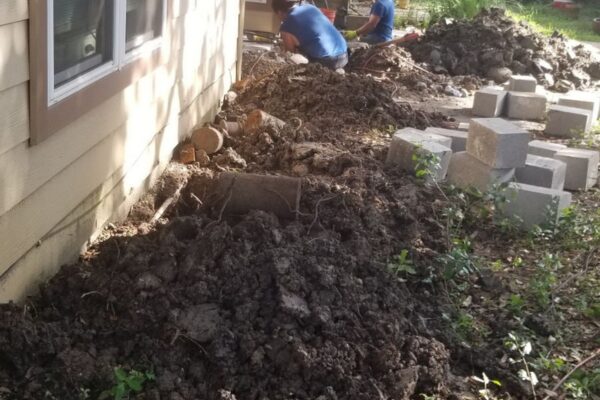
Helical Pier Foundation Repair in Houston: Deep, reliable solutions that protect your home
Foundation problems can quickly become a homeowner’s worst worry, with costly repairs, safety concerns, and constant stress. In Houston, expansive clay soils are common, so understanding your options is important. This guide walks you through helical pier foundation repair: how the system works, why it’s a dependable long-term fix for settling homes, what installation looks like, how it compares to other methods, the warning signs to watch for, and typical costs. Read on to get clear, practical information to help you make a confident decision about protecting your home.
What Are Helical Piers and How Do They Stabilize Foundations?
Helical piers are a deep-foundation solution that stabilizes structures by transferring building loads down to stable soil layers. Each pier is a steel shaft with one or more helical plates screwed into the ground to form a strong anchor. Because they resist both vertical and lateral movement, helical piers are especially useful in areas with expansive clay, a type of soil that commonly disturbs Houston foundations. When installed correctly, they stop further settlement and help restore your home’s foundation stability.
Definition and Components of Helical Piers as Deep Foundation Solutions
Put simply, helical piers are engineered steel shafts fitted with helical plates and bearing plates. The shaft carries the load, the helix plates engage stronger soils below, and the bearing plates connect the system to the foundation. That efficient design limits disturbance to your yard and foundation compared with heavy excavation methods, making helical piers a practical choice for residential repairs.
How Helical Piers Work to Prevent Foundation Settlement in Houston's Soil Conditions
Houston soils commonly swell when wet and shrink when dry, and that movement is what shifts foundations. Helical piers are installed deep enough to anchor into soil layers that stay stable through those wet–dry cycles. Securing your structure to those depths prevents more sinking or shifting, giving you a long-term repair rather than a short-term patch.
Because they can be installed in varied site and weather conditions, helical piers are often a practical option when rain or limited access could delay other methods in the Houston area.
Helical Pier Installation in Wet Expansive Soils
Unlike straight-shaft or belled concrete piers, helical piers can be installed after a heavy rainstorm, so there is no need to worry about casing the piers.
Innovative Technologies to Combat Expansive Soils, 2018
Why Choose Helical Pier Foundation Repair in Houston? Key Benefits Explained
For many Houston homeowners, helical piers strike a balance between performance and practicality. They address the underlying cause of settlement while minimizing mess and downtime. foundational problems
- Less invasive installation with immediate load support: Helical piers require less excavation than many traditional methods, so there’s less disruption to landscaping and daily life. Once installed, they support the load immediately, with no waiting for the concrete to cure.
- Durable, versatile, and often warrantied: Built from high-strength (often galvanized) steel, helical piers resist corrosion and perform well across a range of soils, especially expansive clays. Many repair firms, including Allied Foundation Repair, provide transferable warranties for long-term protection and peace of mind.
If you want a repair that balances efficiency, longevity, and low on-site impact, helical piers are a strong option.
What Is the Helical Pier Installation Process by Allied Foundation Repair?
The installation follows a straightforward sequence designed to deliver a safe, effective result.
Site Assessment, Engineering, and Customized Foundation Repair Plans
First, we do a thorough site evaluation to diagnose foundation movement and check soil conditions. Engineers then design a custom repair plan that specifies how many piers are needed and where they should go. That planning ensures each job fits the property’s unique needs.
Hydraulic Installation, Load Testing, and Secure Foundation Connection Steps
With the plan approved, crews use hydraulic equipment to screw the helical piers into the ground. After installation, load testing confirms each pier meets the required capacity. Finally, the piers are tied into the foundation so your home sits on a secure, reliable support system.
How Do Helical Piers Compare to Other Foundation Repair Methods?
Choosing the right underpinning method means weighing performance, cost, and site impact.
Helical Piers vs. Concrete Piers: Installation Time, Soil Suitability, and Cost Comparison
Helical piers usually install faster than concrete piers because they don’t require curing time. They adapt better to varied soils, especially problematic clays, and can often be used where concrete piers aren’t practical. While upfront costs may be higher than some options, the speed of installation and long-term durability often make helical piers more cost-effective over time.
Advantages of Steel Helical Piers Over Push Piers and Traditional Underpinning
Compared with push piers and some traditional underpinning methods, steel helical piers can reach deeper, more reliable soil layers and work well in tight access areas. Push piers are driven under load, while helical piers are mechanically installed into target stable strata, providing a more secure, long-lasting support for many homes.
What Are the Signs Your Houston Home Needs Helical Pier Foundation Repair?
Spotting foundation trouble early reduces damage and can lower repair costs.
Identifying Foundation Issues: Cracks, Uneven Floors, Sticking Doors, and Chimney Separation
Look for common warning signs: cracks in walls (especially stair-step cracks in brick), gaps between trim and walls, uneven or sloping floors, doors or windows that stick, and visible separation between the chimney and the house. Those symptoms strongly suggest foundation issues and should prompt a professional evaluation.
When to Consult Experts for Advanced Foundation Underpinning Solutions
If you notice any of these issues, contact a foundation specialist promptly. Early assessment and intervention, particularly with advanced underpinning like helical piers, can prevent more extensive damage and higher repair bills. Allied Foundation Repair and similar firms offer professional evaluations and tailored solutions to secure your home.
How Much Does Helical Pier Foundation Repair Cost in Houston?
Knowing which factors drive price helps you plan and compare quotes more effectively.
Factors Influencing Steel Helical Piers Cost and Financing Options
Cost depends on several factors: how many piers are required, local soil conditions, and how easy it is to access the installation area. Many companies, including Allied Foundation Repair, also offer financing through trusted financial partners to make repairs more manageable.
Cost Estimates for Residential Helical Pile Installation and Long-Term Value
On average, helical pier installation runs roughly $1,000 to $3,000 per pier, depending on site specifics. That upfront expense can feel significant, but preventing ongoing settlement and protecting your home’s structure often delivers strong long-term value.
| Factor | Description | Estimated Cost |
|---|---|---|
| Number of Piers | Total piers needed based on the assessment | $1,000 – $3,000 per pier |
| Soil Conditions | Soil type and how it affects installation difficulty | Varies |
| Accessibility | Ease of access to the installation site | Varies |
The table outlines the main variables that affect total project cost, so you can ask informed questions when reviewing proposals.
In short, helical pier foundation repair is a reliable option for Houston homeowners facing settlement from expansive soils. It delivers deep, long-lasting support with relatively low site disruption. By recognizing the signs of foundation trouble and understanding how helical piers are installed, you’ll be better equipped to choose the solution that protects your home for years to come.