Pier and Beam Foundation Repair and Inspection in Houston: Signs, Causes, and Solutions
A home’s stability depends on its foundation. Pier and beam systems offer benefits and present specific challenges. Homeowners need practical guidance to spot damage, understand causes, and choose effective repairs. This article explains pier and beam foundations, common warning signs, Houston-specific factors, and repair and maintenance steps to protect your home.
Knowing typical behavior for these foundations is valuable in Houston’s climate. This guide helps you detect problems early and act before minor issues become major. For complex repairs, consider professional foundation repair services.
Pier and Beam Foundation Repair and Inspection in Houston
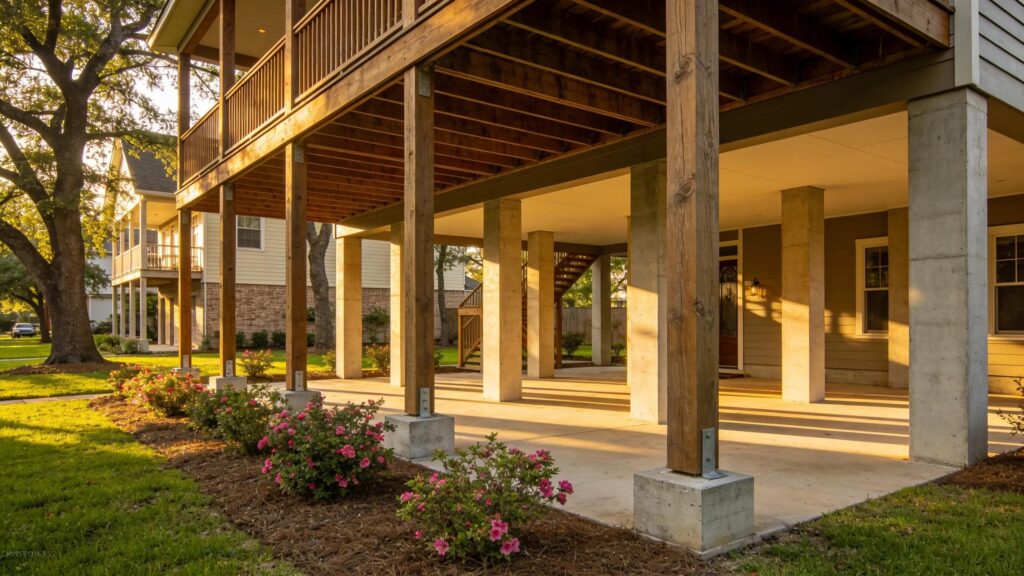
Pier and beam foundations are common in Houston because they handle wet conditions and aid moisture control. Wooden beams set on piers lift the home and allow airflow under the structure, which reduces rot and mold risk and keeps plumbing and wiring accessible. These systems can still develop issues over time and need timely inspections and repairs to protect the home’s structure.
Regular checks catch problems early so you can repair them before they worsen. Houston’s shifting soils and humid weather make local specialists useful for diagnosing issues and recommending stabilizing repairs.
Understanding Pier and Beam Foundations:
These foundations use a grid of piers and beams to raise a house above the ground. The crawl space airflow helps keep the structure dry and lowers mold risk, while making maintenance easier. For more information, check out our crawl space health check resources.
Properly placed piers reduce the effects of soil movement tied to changing moisture levels, but water damage and pests remain common threats without regular upkeep.
Signs of Pier and Beam Damage:
Spotting damage early gives you more repair options and can lower costs. Watch for these common indicators that your pier and beam foundation needs attention.
- Cracks in Walls: Vertical or horizontal cracks in interior walls, especially near windows and doors, can indicate foundation movement.
- Uneven Floors: Slopes or uneven flooring may point to settling within the foundation.
- Sticking Doors and Windows: Doors or windows that bind or no longer fit smoothly can signal structural shifts.
If you notice these signs, schedule an inspection. A professional assessment will identify causes and the most effective steps to limit further damage.
What Are the Early Signs of Pier and Beam Foundation Problems?
Early issues often appear indoors and include several recognizable signs homeowners can monitor.
- Pest Activity: Increased insect activity, particularly termites, can indicate wood decay in beams.
- Moisture Spots: Water stains or discoloration on walls may suggest leaks from the foundation or plumbing issues.
- Foundation Cracks: Small cracks may indicate soil shifting or settling and should be evaluated promptly.
How to Identify Foundation Settlement Signs Like Cracks and Uneven Floors
Simple checks reveal settlement: inspect door frames and window casings for gaps or bowing. Use a level or watch for object movement to test the floor slope. If you find slope or movement, contact a foundation specialist for evaluation and repair recommendations.
Causes of Foundation Issues:
Addressing foundation problems begins with understanding their causes. Typical factors include shifting soil, standing moisture near the foundation, and pressure from nearby tree roots; each can destabilize supports over time.
- Soil Movement: Variations in soil moisture cause expansion or contraction, putting stress on supports.
- Moisture Damage: Water collecting near the foundation from poor drainage can erode soils and reduce stability.
- Tree Roots: Roots from nearby trees can apply pressure or alter moisture distribution around piers.
In Houston, heavy rains, clay soils, and large humidity swings can worsen these problems. Proactive maintenance and targeted foundation repair solutions typically emphasize drainage and soil stabilization to reduce future risk.
Effective Solutions:
Repair choices depend on the cause and home condition. Common, proven approaches focus on improving support and stabilizing soil.
- Underpinning: Adding concrete piers beneath existing supports to transfer weight to more stable soil.
- Pier System Stabilization: Adjusting or reinforcing the existing piers to correct settling without full replacement.
- Wall Anchors: Anchors can stabilize bowing walls caused by pressure or soil movement.
Local contractors in Houston can recommend the most appropriate method for your situation and provide cost and timeline estimates.
| Service | Description | Cost Estimate |
|---|---|---|
| Underpinning | Depth stabilization through additional piers | $2,500+ |
| Pier System Stabilization | Reinforcement of existing piers | $1,500+ |
| Wall Anchors | Stabilization for bowing walls | $1,200+ |
Frequently Asked Questions
What is the average lifespan of a pier and beam foundation?
Lifespan varies by materials and site conditions. With regular upkeep, many last several decades. Routine inspections, timely repairs, soil stability, moisture control, and pest prevention help extend service life.
How often should I have my pier and beam foundation inspected?
Schedule inspections every three to five years. If you notice cracks, uneven floors, or sticking doors, get them checked sooner. After severe weather or heavy rain, consider an additional inspection to catch new issues.
Can I perform maintenance myself on a pier and beam foundation?
You can handle basic upkeep like clearing drains and trimming vegetation near the foundation. Major problems, such as significant cracks or structural instability, require a professional to avoid missed damage and higher costs later.
What types of pests should I be concerned about with pier and beam foundations?
Termites and rodents can damage wooden beams. Termites are especially hazardous where moisture is present. Keep the crawl space dry, treat wood as recommended, and schedule pest inspections to reduce risk.
How does Houston's climate affect pier and beam foundations?
Houston’s humid subtropical climate causes soil to expand and contract with moisture changes. Heavy rain and flooding can wash away soil around piers and increase the risk of settlement. Good drainage and moisture control are essential to limit these effects.
Are there signs of foundation issues that I can look for outside my home?
Yes. Outside signs include sloping walkways, gaps between the ground and exterior walls, and water pooling near the foundation. Bowing walls or cracks in siding can also indicate shifting. If you observe these, get a professional evaluation.
Houston Pier and Beam Foundation
Understanding how pier and beam foundations behave helps you protect your home. Watch for warning signs, address repairs promptly, and schedule professional inspections to avoid costly damage. Use trusted resources to learn more about maintenance and repair options for lasting peace of mind.