

Why Elevating Your Houston Home Pays Off: House Lifting Benefits & Value Insights
Raising your Houston home can be a practical, long-term move, not just a cosmetic one. House lifting (or home elevation) raises the structure onto a higher foundation, which helps limit flood exposure and strengthens overall stability. Below, we outline the top benefits, including higher resale value, lower flood risk, and a more stable foundation, and explain how elevation often translates into real insurance savings and better protection under recent Houston policy updates. Armed with this information, homeowners can weigh the costs and benefits with confidence.
Main Benefits of House Lifting in Houston
House lifting delivers several advantages that matter in Houston’s flood-prone environment. One of the most tangible wins is increased property value. Elevated homes tend to be more attractive to buyers because they offer stronger protection against flood damage. Elevation also improves foundation stability, lowering the chance of long-term structural problems.
Beyond resale appeal, elevation boosts flood resilience. In a city that sees frequent heavy rain and storm events, raising your home helps protect the living space and reduces the risk of costly, disruptive repairs. For a reliable, local approach, Allied Foundation offers foundation repair and home elevation services tailored to Houston homeowners.
How Elevating Your Home Reduces Flood Risk

Elevation lowers flood risk by moving the living areas above expected flood levels. That simple change keeps water out of main living spaces during storms and reduces the chance of damage from mold, mildew, and prolonged moisture.
Insurers recognize this reduced exposure: many elevated homes qualify for lower flood insurance premiums. Those lower rates can add up over time, making house lifting both a protective and financially sensible decision.
| Elevation Height | Flood Risk Reduction | Insurance Premium Impact |
|---|---|---|
| 1-2 feet | Moderate | 10-15% reduction |
| 3-4 feet | High | 15-30% reduction |
| 5+ feet | Very High | 30-50% reduction |
The table shows how different elevation heights typically affect flood exposure and estimated insurance savings, useful benchmarks when planning an elevation project.
How House Lifting Improves Foundation Stability
Raising a home reduces the effects of soil saturation and erosion that can lead to settling and shifting. With the structure lifted and the foundation reinforced, homes are less likely to develop the cracks and unevenness caused by waterlogged soil.
Elevated homes also fare better against severe weather, wind, and heavy rain, which are less likely to cause the same level of structural stress on a properly raised foundation. Investing in elevation helps keep your home solid and safe for years to come.
How Home Elevation Affects Flood Insurance Discounts in Houston?
Elevation can trigger meaningful discounts on flood insurance. Insurers often give lower rates to homes raised above the base flood elevation (BFE) because those properties are statistically at lower risk for flood damage.
That discount reduces monthly or annual insurance costs and improves the long-term return on the elevation investment. Talk with your insurance agent to confirm how your policy will change after elevation.
What Recent Houston Flood Insurance Policy Changes Impact Savings?
Recent updates from FEMA and local regulators have made elevation more financially attractive. Policy adjustments now often reward properties that exceed minimum elevation standards with larger discounts, which can improve the payoff for homeowners who invest in higher lifts.
Understanding these updates helps you plan elevation projects that capture the maximum possible insurance savings.
How Much Can Homeowners Save on Flood Insurance After Elevation?
Savings vary by location, insurer, and how high you raise the home, but many homeowners see reductions in the range of 10%–30% on their premiums, sometimes more if the elevation is substantial and the property moves well above the BFE.
Work with your agent to estimate expected savings based on your exact elevation plan and policy details.
How Elevating Your Houston Home Increases Property Value
Homes raised above flood levels are often more desirable on the market. Buyers appreciate the reduced risk, which translates to stronger offers and shorter time on market for elevated properties.
Because elevated homes typically need fewer flood-related repairs and carry lower insurance risk, they can command higher sale prices, making elevation a strategic investment for homeowners focused on long-term value.
What Real Case Studies Show Property Value Improvements?
Local case studies show elevation can move the needle: homes elevated after the 2017 flood events often posted price increases in the 10%–15% range within two years. Sellers reported higher offers and quicker sales than comparable, non-elevated properties.
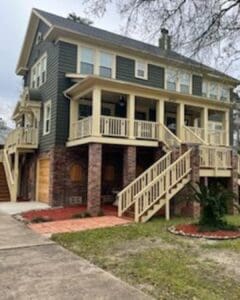
These examples highlight how elevation can pay dividends in resale value as well as protection.
How Foundation Repair Contributes to Market Appeal
A sound foundation is fundamental to buyer confidence. Known foundation issues are a red flag for many purchasers, so resolving those problems before listing can improve appeal and price.
Professional foundation repair removes a major obstacle in negotiations and reassures buyers that the house is structurally sound, helping you sell faster and for a better price.
When Should Houston Homeowners Schedule a Free Foundation Inspection?
Schedule a free inspection if you notice early warning signs of foundation trouble. Catching problems early prevents larger repairs and greater expense down the road. Allied Foundation offers no-cost inspections to evaluate your foundation and recommend next steps.
What Signs Indicate Foundation Issues Needing Repair?
- Cracks in Walls: Noticeable vertical or horizontal cracks can indicate movement in the foundation.
- Uneven Floors: Sloping or bouncy floors may signal settling or shifting.
- Doors and Windows Misalignment: Doors or windows that stick or don’t close evenly are common signs of foundation movement.
Spotting these signs early helps you act before small issues become major repairs.
How Does Allied Foundation’s Free Inspection Process Work?
Allied Foundation’s free inspection is a clear, step-by-step review of your foundation so you understand the condition and options. The process typically includes:
- Initial Consultation: We talk through your concerns and property history.
- Thorough Inspection: A qualified technician examines the foundation, structure, and surrounding site for signs of movement or damage.
- Report and Recommendations: You receive a straightforward report with findings and recommended repairs or elevation options.
This transparent approach gives homeowners the information they need to decide on repairs or elevation with confidence.