
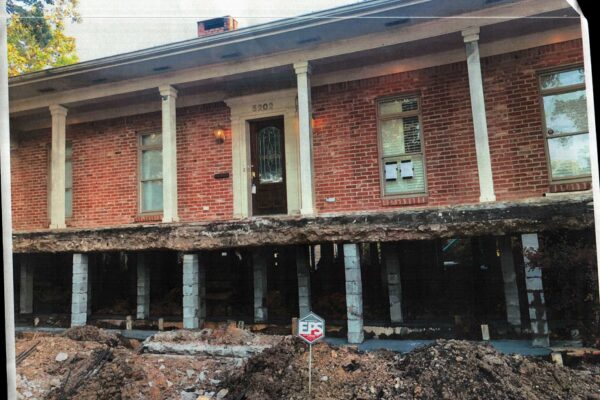
Houston Flood Protection: What Home Elevation Does, Benefits, Costs, and How to Get Started
Houston homeowners face persistent flood risk from heavy storms, coastal surge, and intense rainfall. Elevating your living area above anticipated floodwaters lowers the chance of costly damage, can cut insurance bills, and makes your home more resilient over time. This guide walks Houston homeowners through what elevation means for pier‑and‑beam and slab homes: how raising a house reduces structural and interior losses, typical cost ranges and ways to finance a lift, the step‑by‑step permitting and construction process, and complementary flood‑mitigation measures to pair with an elevated foundation. We also explain how local flood zones and Base Flood Elevation (BFE) rules affect design and close with practical advice for choosing contractors and understanding local services. If you own a home in Greater Houston, this guide gives clear, actionable information to weigh elevation as a long‑term flood‑protection strategy.
What Are the Key Benefits of Raising a House in Houston?
Home elevation lifts primary living spaces above expected flood levels to keep water out, reduce hydrostatic pressure on structural systems, and limit interior damage during storms. The idea is simple: by increasing clearance above the Base Flood Elevation (BFE), finished floors and major systems are less likely to be reached by surge or runoff. That lowers repair bills, can reduce flood insurance premiums, and improves safety for occupants and belongings. Below, we list the main benefits and then summarize typical outcomes by benefit type. For more details, check our home elevation blog.
Home elevation delivers four main homeowner benefits:
- Less structural and interior flood damage by keeping living areas above likely water entry points.
- Lower flood insurance costs when the finished floor sits above BFE or the required freeboard.
- Better resale appeal and marketability in flood‑prone neighborhoods because the property shows proven resilience.
- Improved occupant safety and fewer recurring repairs after major storms.
Those practical outcomes lead naturally into how elevation affects insurance and household finances.
How Does Home Elevation Reduce Flood Damage and Insurance Premiums?
Elevating a house prevents damage by moving finished floors and key systems above likely water heights, so water hits unconditioned crawlspaces or engineered piers instead of living areas. That reduces water intrusion and the hydrostatic loads that ruin walls, floors, and finishes. Under FEMA’s Risk Rating 2.0, elevation is an important rating factor, lifting a home one to several feet above BFE often lowers expected loss and replacement‑cost estimates used by insurers. Savings vary by location and claims history, but homeowners commonly see premium drops in the 20–70% range when elevation exceeds required minimums. In short, elevation is both a physical shield and a financial mitigation step; it also helps explain why elevated homes tend to sell more easily and feel safer to occupants.
In What Ways Does Elevation Increase Property Value and Safety?
An elevated home typically carries lower perceived and actual surge risk, which can boost buyer interest and reduce friction with lenders or insurers at sale time. Documented elevation with permits and certificates gives buyers confidence and can make a property more competitive. Safety improves because critical components and living spaces are less exposed to contaminated floodwater, lowering the chance of mold, electrical hazards, and extended displacement. For example, raising a home one to three feet above minimum BFE often keeps the most common floodwaters out of finished areas, meaning fewer repairs and faster recovery after storms. With those benefits in mind, many homeowners next ask: how much will a lift cost, and what financing is available?
| Benefit Type | Typical Elevation Increase | Expected Outcome |
|---|---|---|
| Insurance Savings | +1 to +3 ft above BFE | 20–70% premium reduction (varies by carrier) |
| Damage Reduction | Lift living floor above the floodplain | Major drop in repair scope and cost |
| Market Value | Certified elevation documented | Improved resale and marketability |
| Occupant Safety | Utilities and living spaces are elevated | Reduced health risks and displacement |
How Much Does Houston Home Elevation Cost and What Financing Options Are Available?
Costs for home elevation depend on foundation type, square footage, lift height, and site conditions. Major drivers include whether the home is pier‑and‑beam or slab‑on‑grade, how far above BFE you must go (including freeboard), soil conditions that affect pier design, and the scope of utility relocation and exterior finishing. The table below shows example ranges for common Houston scenarios and how financing or grants can help offset upfront expenses. Because neighborhood and structural differences matter, an early engineering assessment is essential to produce reliable estimates.
Key cost drivers and financing pathways include:
- Foundation type: slab lifting and pier work require different scopes and materials.
- Target elevation height: more height usually means more reinforcement and labor.
- Utility relocation, permit and engineering fees, and site access for equipment.
- Financing and grant options: FEMA mitigation grants, state/local programs, and contractor financing can all play a role.
| Home Type / Example | Primary Cost Drivers | Estimated Cost Range |
|---|---|---|
| Small pier-and-beam (single story) | Pier replacement, jacking, utilities elevation | $40,000–$90,000 |
| Medium slab-on-grade (single story) | Slab removal/rebuild, slab lifting complexity | $60,000–$140,000 |
| Large or multi-story homes | Greater lift height, extended reconstruction | $120,000–$300,000+ |
What Factors Influence the Cost of House Lifting in Houston?
Final pricing reflects several variables: foundation system (pier‑and‑beam vs. slab‑on‑grade), home size, required elevation above BFE, soil and subsurface conditions, and site access for heavy equipment. Slab‑on‑grade properties often need slab replacement or complex lifting methods, which raises material and labor costs, while pier‑and‑beam homes can sometimes be jacked and extended with new supports at a lower relative cost. Houston’s varied soils, clay, bay silts, or reclaimed fills affect pier design and footing sizes and may require geotechnical work that increases time and price. Permit, engineering, and survey fees are predictable line items, and relocating HVAC, electrical panels, and plumbing into an elevated space adds to the budget. Knowing these cost drivers helps homeowners focus on choices that balance cost and protection.
How Can FEMA Elevation Grants and Allied Foundation Repair Financing Help?
Federal and state mitigation grants, such as FEMA’s Flood Mitigation Assistance (FMA) and other elevation programs, can cover part of elevation costs for eligible homeowners, particularly in areas with repetitive losses or targeted mitigation plans. Grants usually require benefit‑cost documentation and adherence to program timelines; professional application help can improve chances of award. Allied Foundation Repair also offers contractor financing to lower upfront barriers and can coordinate payment sequencing with grant awards. A contractor experienced with FEMA programs can review eligibility, suggest funding mixes, and help bundle grants and financing to make a project feasible. That practical support leads into the step‑by‑step process homeowners should expect from planning to final inspection.
What Is the Step-by-Step Home Elevation Process in Houston?
Home elevation follows a predictable sequence from inspection and engineering through lifting and finishing. Start with a structural assessment and stamped engineering plans that set lift heights, foundation design, and permit documents. Then submit permits to the City of Houston or Harris County as required. The lift itself uses hydraulic jacks and staged supports or slab replacement methods, followed by utility elevation, exterior skirting, and stairs, and final inspections that conclude with an elevation certificate. Below is a numbered walk‑through and a timeline to set realistic expectations.
- Initial inspection and engineering assessment to verify feasibility and produce stamped plans.
- Permit application and review with local building departments, including required surveys and documentation.
- Site preparation, utility disconnects, and construction staging to protect the home and neighbors.
- Jacking and elevation operations using hydraulic systems and installation of new piers or footings.
- Reconnection of utilities, finishing work (skirting, stairs), and final inspections with issuance of an elevation certificate.
- Re‑occupancy after final approvals and delivery of documentation to mortgage and insurance providers.
| Process Phase | Typical Duration | Homeowner Action / Outcome |
|---|---|---|
| Assessment & Design | 2–6 weeks | Engineer report, stamped plans |
| Permitting | 2–8 weeks | Permit issuance, fees paid |
| Construction Mobilization | 1–2 weeks | Utility coordination, staging |
| Lifting & Foundation Work | 1–4 weeks | Actual jacking and pier/footing work |
| Finishing & Inspections | 1–3 weeks | Final permit sign-offs, elevation certificate |
What Are the Permitting and Engineering Requirements in Houston and Harris County?
Permitting starts with stamped engineering drawings that detail foundation designs, pier spacing, and required elevations relative to BFE. Those documents form the core of permit submissions to the City of Houston or the Harris County building departments. Homeowners typically need property surveys, structural calculations, and floodplain documentation, and some projects require coordination with municipal floodplain administrators. Review timelines vary, and permit fees plus inspections are part of the budget; getting a complete permit packet before mobilization avoids costly delays. Close coordination among engineers, surveyors, and your contractor helps ensure final elevation certificates and documentation satisfy NFIP and lender requirements.
Which Elevation Methods Are Used for Different Foundation Types?
Elevation methods depend on foundation type. Pier‑and‑beam homes commonly use unified jacking: hydraulic jacks lift the structure while crews install new piers. Slab‑on‑grade homes often need slab removal and rebuilding or specialized slab‑lifting techniques. Unified jacking is efficient for timber or masonry pier systems and can be done in phases with limited interior disruption, while full slab replacement creates a permanent raised slab but increases scope and cost. Which method is best depends on soil bearing capacity, current foundation condition, and your target elevation. Engineers and local soil data will guide the right choice.
Research shows properly executed elevation plans, including contractor‑determined layouts, can meet structural safety and code requirements when designed and built to standard.
Coastal Home Elevation: Structural Safety & Cost‑Benefit Analysis
A 2023 study of construction practices along the Texas Gulf coast examined slab and grade‑beam configurations under uniform live loads. One specimen used four panels with monolithic grade beams around each panel; another used two panels with monolithic grade beams supported by additional steel beams and included a CFRP laminate retrofit under one panel. Slabs were supported on concrete block masonry piers with varied contact conditions. The study found typical contractor‑determined elevation layouts can withstand code‑required floor live loads; increased column spacing reduced slab capacity as expected, and the CFRP layer did not significantly add moment capacity because the concrete slab carried the applied loads.
COASTAL HOME ELEVATION FOR FLOOD MITIGATION: STRUCTURAL SAFETY AND BENEFIT/COST ANALYSIS, 2023
How Do Houston Flood Zone Regulations and Building Codes Affect Home Elevation?
The Base Flood Elevation (BFE) marks the 1% annual‑chance flood level and serves as the regulatory baseline for design and insurance rating. Elevating above BFE lowers both physical risk and premium exposure. In Houston, permitting authorities reference FEMA flood maps and BFE values to set minimum required elevations, and many jurisdictions recommend extra “freeboard,” commonly one foot or more above BFE, as a safety margin. Compliance requires accurate elevation certificates, stamped plans, and verified final grades; meeting or beating local code minimums can improve insurance discounts and streamline lender acceptance. Understanding BFE and local code requirements is essential before committing to a lift, since permits and elevation certificates directly affect insurance savings and resale disclosures.
What Are the Base Flood Elevation Requirements for Houston Homes?
BFE values are on FEMA flood maps and define the vertical datum for required clearances. Harris County and nearby jurisdictions typically adopt those BFEs and may add local freeboard requirements based on community risk tolerance. Request a floodplain determination and work with an engineer to calculate your target finished‑floor elevation relative to BFE and the correct datum. Adding an extra foot or 18 inches of freeboard can yield insurance benefits and reduce exposure to future map changes or stronger storms. Knowing where to find BFE data and how it applies to your lot sets the foundation for any elevation plan.
How Do Local Permits and Compliance Impact Flood Insurance and Construction?
Final permits and elevation certificates are critical for insurance underwriting and claims handling. Insurers and lenders expect certified documentation that shows finished‑floor elevation relative to BFE. Missing or non‑compliant documentation can complicate coverage changes or lead to denied claims, so timely inspections and proper paperwork are vital. Coordinating surveyors, engineers, and building departments to deliver a compliant permit package reduces post‑construction disputes and ensures that any elevation‑based insurance savings actually materialize. Proper compliance also adds value at resale by providing verifiable mitigation for prospective buyers and underwriters.
What Additional Flood Protection Measures Complement Home Elevation in Houston?
Elevation is the structural core of flood resilience, but several complementary measures improve overall performance and reduce non‑structural losses: landscape grading, flood vents, and utility elevation are common examples. Proper grading and surface drainage move runoff away from foundations, so less water reaches the lowest enclosed spaces. Flood vents equalize hydrostatic pressure in crawlspaces, and raising HVAC, water heaters, and electrical panels prevents frequent appliance losses. Below are practical measures and a short table showing how each supports elevation.
Common complementary flood‑protection measures:
- Landscape grading and surface drainage to keep runoff away from foundations.
- Installation of code‑compliant flood vents to protect enclosed foundation spaces.
- Elevating or relocating HVAC, electrical, and plumbing systems above predicted flood heights.
- Use durable, flood‑resistant materials in lower enclosures and for exterior finishes.
| Measure | Function | Benefit |
|---|---|---|
| Grading & Drainage | Redirect surface water away from the building | Reduces ponding at the foundation |
| Flood Vents | Equalize the hydrostatic pressure | Prevents foundation displacement |
| Utility Elevation | Moves HVAC/electrical above flood line | Limits appliance damage and downtime |
How Do Landscape Drainage and Flood Vents Enhance Flood Mitigation?
Good landscape grading creates a positive slope away from the foundation and uses swales, permeable surfaces, and stormwater controls to manage heavy rain, reducing ponding near the house. Flood vents in foundation walls let floodwater flow through enclosed crawlspaces without creating damaging lateral pressure, lowering the chance of structural failure. Routine homeowner tasks, such as clearing downspouts, keeping gutters functional, and confirming grading directs water away from new skirting or stairs, help long‑term performance. Paired with a proper elevation, grading, and vents, these reduce remaining risk and simplify inspection and upkeep.
Why Is Elevating Utilities and Appliances Important for Flood Safety?
Raising critical systems, HVAC units, water heaters, electrical panels, and meters prevents common and costly failures when floodwaters reach previously occupied areas and speeds recovery after an event. Recommended clearances usually place equipment above the finished‑floor elevation or at least above BFE plus any adopted freeboard; local codes may set specific minimums for mechanicals. Elevating utilities during the lift is cost‑effective because it’s integrated into the project instead of being done as a separate retrofit later. Prioritizing utility elevation reduces claim frequency, supports occupant safety, and protects expensive systems from water damage.
Why Choose Allied Foundation Repair for Your Houston Home Elevation Project?
Allied Foundation Repair is a local contractor specializing in home elevation and foundation repair across Greater Houston. We offer structured financing, warranty support, and permit and engineering coordination to help homeowners manage project risk and cost. Allied handles Home Elevation/House Lifting and Foundation Repair in Houston and nearby counties, and our team focuses on practical customer support from financing options to lifetime warranty coverage to make elevation projects more accessible. Below are the core trust signals and service highlights, followed by brief case examples.
- Local service across Houston, Harris County, Galveston County, Brazoria County, and communities like Alvin, Baytown, Katy, Pearland, and Sugar Land.
- Home Elevation/House Lifting and Foundation Repair as core services, with integrated permit and engineering support.
- Financing options to lower upfront costs for qualified homeowners and flexible payment plans.
- A lifetime transferable foundation warranty and an A+ rating from the Better Business Bureau are trust signals.
What Do Recent Case Studies and Testimonials Reveal About Our Expertise?
Selected project snapshots consistently show measurable insurance savings after elevation, lifts completed to target freeboard, and efficient permitting and coordination that shorten timelines. For example, a pier‑and‑beam elevation met local BFE targets and produced a documented insurance premium reduction; a slab project combined slab replacement with utility elevation to cut repeated water‑related repairs. Homeowners often report faster permit approvals when Allied handles documentation and engineer coordination. These outcomes show what new clients can reasonably expect when they pursue elevation as a flood‑mitigation investment.
How Does Our Local Experience Benefit Houston Homeowners?
Local knowledge of Houston soils, floodplain rules, and permitting paths reduces project risk and avoids unnecessary delays by matching structural designs to neighborhood conditions. Allied’s experience includes relationships with municipal building departments and familiarity with FEMA processes that can help speed approvals and support grant applications. That local network also enables faster crew mobilization and access to subcontractors who know Houston site constraints, producing time and cost efficiencies. For homeowners, choosing a locally experienced contractor simplifies coordination with engineers, surveyors, and insurers and makes the whole process smoother from assessment to final certification.
For a local estimate or to discuss financing and permit support for a home elevation project, contact Allied Foundation Repair at the listed business phone or visit the local office to schedule an assessment and review grant and financing eligibility.