Understanding Home Elevation Options
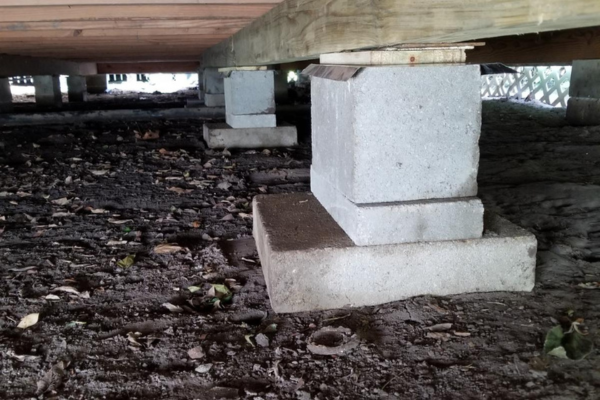
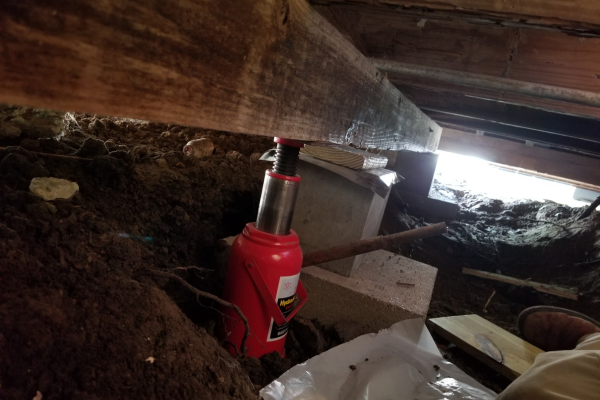
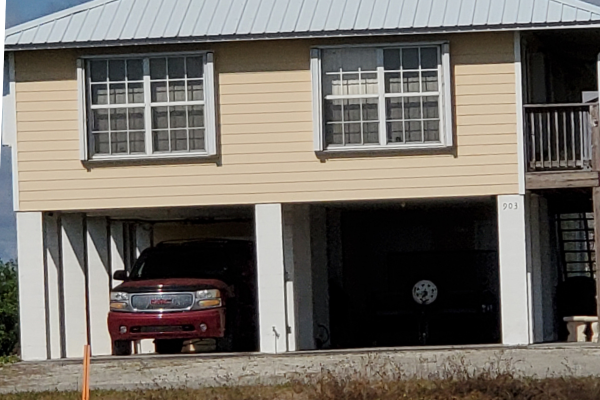
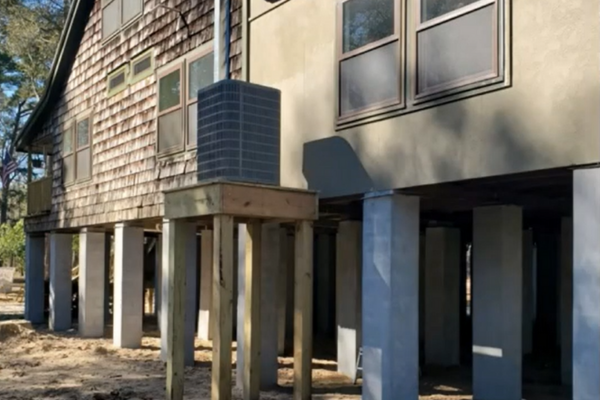
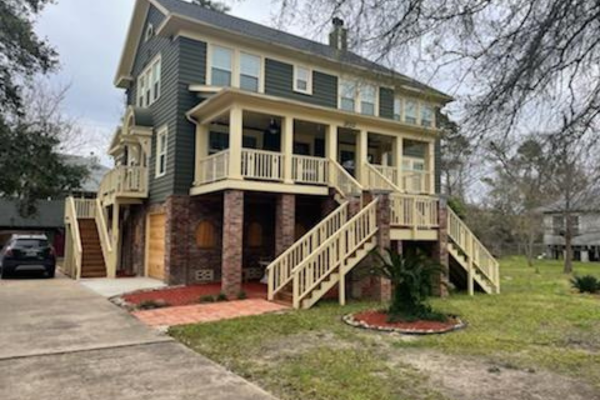
When considering home elevation, it's important to understand the different methods and approaches available. This section will explore the various techniques used to elevate a home, including hydraulic jacking, pier and beam systems, and helical piers.
Each approach has its own advantages and considerations, such as cost, feasibility, and impact on the home's structure. Homeowners should carefully evaluate their options to select the most suitable solution for their property and needs.
Preparing for a Successful Home Elevation Project
Successful home elevation projects require careful planning and preparation. This section will guide homeowners through the necessary steps, including obtaining permits, selecting a reputable contractor, and understanding the timeline and logistics involved.
By being well-informed and proactive, homeowners can ensure a smooth and efficient home elevation process, minimizing disruptions and maximizing the benefits of this important investment in their property.
Mitigating Flood Risks with Home Elevation
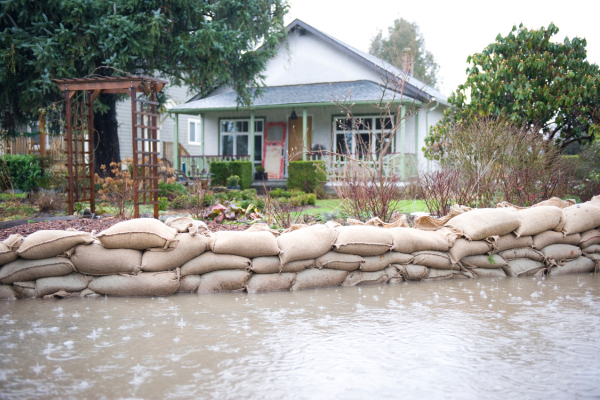
One of the primary benefits of home elevation is the ability to mitigate the risks of flood damage. This section will explore how elevating a home can protect it from rising waters, reduce insurance costs, and provide peace of mind for homeowners in flood-prone areas.
The discussion will also touch on the environmental and community-level impacts of home elevation, highlighting how this practice can contribute to overall flood resilience and disaster preparedness.
Maintaining and Enhancing Your Elevated Home
After a successful home elevation, it's important to ensure proper maintenance and ongoing care for the property. This section will provide guidance on best practices for maintaining the structural integrity, drainage systems, and aesthetics of an elevated home.
Additionally, this section will explore opportunities for homeowners to further enhance their elevated homes, such as incorporating sustainable features, improving energy efficiency, or integrating landscape design elements that complement the elevated structure.
Understanding Home Elevation Options
When considering home elevation, it's important to understand the different methods and approaches available. This section will explore the various techniques used to elevate a home, including hydraulic jacking, pier and beam systems, and helical piers.
Each approach has its own advantages and considerations, such as cost, feasibility, and impact on the home's structure. Homeowners should carefully evaluate their options to select the most suitable solution for their property and needs.
Preparing for a Successful Home Elevation Project
Successful home elevation projects require careful planning and preparation. This section will guide homeowners through the necessary steps, including obtaining permits, selecting a reputable contractor, and understanding the timeline and logistics involved.
By being well-informed and proactive, homeowners can ensure a smooth and efficient home elevation process, minimizing disruptions and maximizing the benefits of this important investment in their property.
Mitigating Flood Risks with Home Elevation
One of the primary benefits of home elevation is the ability to mitigate the risks of flood damage. This section will explore how elevating a home can protect it from rising waters, reduce insurance costs, and provide peace of mind for homeowners in flood-prone areas.
The discussion will also touch on the environmental and community-level impacts of home elevation, highlighting how this practice can contribute to overall flood resilience and disaster preparedness.
Maintaining and Enhancing Your Elevated Home
After a successful home elevation, it's important to ensure proper maintenance and ongoing care for the property. This section will provide guidance on best practices for maintaining the structural integrity, drainage systems, and aesthetics of an elevated home.
Additionally, this section will explore opportunities for homeowners to further enhance their elevated homes, such as incorporating sustainable features, improving energy efficiency, or integrating landscape design elements that complement the elevated structure.