
Top Causes of Foundation Damage in Houston Homes: What Every Houston Homeowner Should Know
Foundation damage is a major worry for homeowners across Houston. Our city’s soil, climate, and aging infrastructure create conditions that can lead to expensive repairs if left unchecked. This guide explains the most common causes of foundation problems in Houston, how they develop, and practical steps you can take to reduce risk. We focus on Houston’s expansive clay soils, plumbing leaks, tree roots, poor drainage, and weather extremes, plus the warning signs that mean it’s time to call a pro.
Why Does Houston's Expansive Clay Soil Cause Foundation Damage?
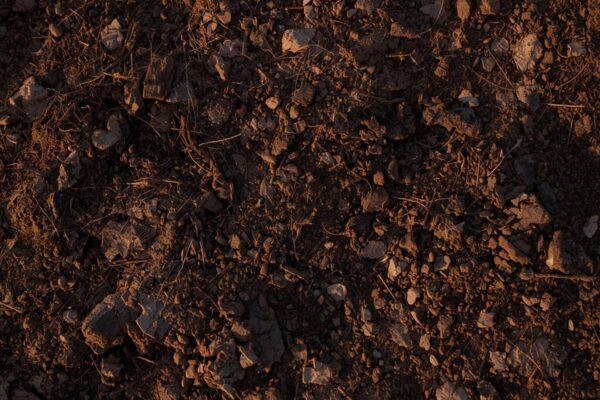
Houston sits on expansive clay that reacts strongly to changes in moisture. That clay swells when it’s wet and shrinks when it dries, creating continual movement beneath slabs and footings. During dry spells, the soil can pull away, leaving voids under a foundation; after heavy rains, it can expand and push up against the concrete. Over time, that repeated movement produces cracks, settlement, and other structural problems.
Research supports how these soil behaviors affect foundations in the region.
Houston Expansive Clay Soil: Shrink–Swell Behavior
Researchers sampled soils from Texas cities, including Houston, to characterize shrink–swell behavior and improve classification methods used to estimate how much swelling and shrinkage to expect.
Swell and shrinkage characterizations of unsaturated expansive clays from Texas, AJ Puppala, 2013
How Does Houston's Shrink-Swell Clay Soil Affect Foundations?
Shrink–swell clays expand as they absorb water and contract when they dry out. That expansion can lift or heave sections of a slab, while contraction can create gaps and cause parts of the foundation to settle. Typical homeowner clues include wall and floor cracks, uneven or sloping floors, and doors or windows that suddenly start sticking, all signs that soil movement is stressing the foundation.
What Are the Signs of Soil Movement and Foundation Settlement?
Spotting foundation movement early reduces the scope and cost of repairs. Watch for these common indicators:
- Cracks in Walls: Vertical, diagonal, or stair-step cracks in drywall, plaster, or brickwork.
- Uneven Floors: Floors that wobble, slope, or feel bouncy in places.
- Sticking Doors and Windows: Frames that bind or won’t latch properly as the house shifts.
Noticing any of these signs should prompt a closer inspection and, if needed, a professional evaluation.
How Do Plumbing Leaks Contribute to Foundation Damage in Houston Homes?
Hidden plumbing leaks are a frequent and often overlooked cause of foundation trouble. Leaks that saturate the soil under and around a foundation cause local expansion or erosion, changing how the slab or footing is supported. Over months or years, that altered support can allow sections of the foundation to settle unevenly and crack.
Academic reports identify plumbing failures as a common source of slab-on-grade foundation damage.
Plumbing Leaks and Residential Foundation Damage
Case studies document instances where leaking water under a slab-on-grade foundation caused measurable movement and damage to the structure above.
Concrete Slab-on-Grade Foundation Damage Assessment for Residential Structures, G Thakre, 2024
What Are Common Plumbing Leak Issues Affecting Houston Foundations?
Typical plumbing problems that threaten foundations include:
- Slab Leaks: Water leaks under the slab, pooling and saturating the supporting soils.
- Sewer Line Corrosion: Aging sewer pipes that leak wastewater into the surrounding soil.
- Pipe Bursts: Sudden failures that quickly saturate soil and destabilize foundation support.
Regular plumbing checks and prompt repairs reduce the chance that leaks will undermine a foundation.
How Can Slab Leaks and Sewer Line Corrosion Weaken Foundation Support?
Slab leaks allow water to collect beneath the foundation, which can erode fine soils, increase hydrostatic pressure, or cause local soil expansion depending on conditions. Corroded sewer lines do the same, but often introduce additional contaminants that change soil behavior. Left unaddressed, these issues remove or alter the soil that supports concrete, producing settlement, cracking, and uneven load distribution.
In What Ways Do Tree Roots Cause Foundation Problems in Houston?
Nearby trees can contribute to foundation movement both by extracting soil moisture and by exerting physical pressure. In clay soils, moisture drawn out by roots accelerates shrinkage and can create voids beneath footings. Large roots growing against a foundation or under slabs can also lift or crack concrete directly.
How Does Moisture Absorption by Tree Roots Lead to Soil Shrinkage?
Roots pull water from the surrounding soil. In clay-rich Texas soils, that moisture loss can cause pronounced shrinkage, creating gaps or uneven support under foundations. Planting large trees too close to the house or removing mature trees without adjusting watering can increase the risk of settlement.
Research models show that root water uptake can cause measurable soil settlement beneath shallow foundations.
Tree Roots & Foundation Settlement from Soil Moisture Uptake
Studies model how trees and plants extract moisture from soils under shallow foundations, which can result in localized settlement as the soil dries.
Settlement of soil due to water uptake by plant roots, 1999
What Physical Pressure Do Tree Roots Exert on Foundations?
Beyond moisture effects, vigorous roots can physically press against foundation pipes, and slabs. Over time, that pressure can crack or displace concrete. If you have large trees near your foundation, monitor root growth and consider installing root barriers, consulting an arborist, or working with a foundation specialist.
What Role Does Poor Drainage Play in Houston Foundation Issues?
Water that sits against a foundation or isn’t routed away properly creates hydrostatic pressure and increases the risk of soil movement and erosion. Poor drainage practices, from clogged gutters to yard grading that directs water toward the house, are common, preventable drivers of foundation problems.
How Does Water Pooling Create Hydrostatic Pressure on Foundations?
When water accumulates near foundation walls or under slabs, it exerts pressure on the structure. That hydrostatic pressure can lead to cracks, bowed walls, or shifts in slab elevation. Controlling surface and subsurface drainage keeps excess water from stressing your foundation.
What Drainage Problems Lead to Soil Erosion and Foundation Damage?
Common drainage issues to address include:
- Clogged Gutters: Blocked gutters and downspouts that send roof runoff toward your foundation.
- Improper Grading: Yard slopes that unintentionally direct water to the house instead of away from it.
- Poorly Designed Drainage Systems: Systems that can’t handle heavy rainfall or that funnel water into landscape beds near the foundation.
Fixing these problems, cleaning gutters, regrading, and installing adequate drainage, is among the most effective ways to protect your foundation.
How Do Houston's Weather Extremes Impact Foundation Stability?
Houston’s climate swings between drought and heavy rain. Droughts dry out clay soils and encourage shrinkage; heavy rains re-saturate those same soils and cause expansion. The repeated shrink–swell cycle puts continual stress on foundations and accelerates wear and damage.
What Effects Do Drought and Heavy Rainfall Have on Soil and Foundations?
Droughts can create gaps beneath a foundation as soils contract; heavy rains can fill those gaps and push back, or cause saturation that undermines support. Homeowners should maintain consistent moisture levels near foundations, especially during dry spells, and manage storm runoff.
How Do Temperature Swings Stress Foundation Materials?
Temperature changes make building materials expand and contract. Over long periods, those movements can contribute to cracking and joint deterioration. Good insulation, proper expansion joints, and routine inspections help reduce temperature-related stress on foundation components.
What Are the Common Signs of Foundation Damage Houston Homeowners Should Recognize?
Catching foundation problems early reduces repair complexity and cost. Key signs to watch for include:
- Cracks in Walls: Vertical, diagonal, or stair-step cracks in interior or exterior walls.
- Uneven Floors: Noticeable slopes, gaps under baseboards, or doors that don’t hang level.
- Sticking Doors and Windows: Frames that suddenly bind, stick, or won’t close reliably.
How to Identify Cracks, Uneven Floors, and Sticking Doors?
Walk around your home and look for fresh or widening cracks, test doors and windows in different seasons, and notice any changes in the floor plane. Small hairline cracks are common, but widening cracks, rapid changes, or multiple signs occurring together warrant a professional inspection.
When Should Houston Homeowners Seek Professional Foundation Repair?
Call a foundation specialist when you see significant or worsening signs, large cracks, pronounced unevenness, doors or windows that no longer operate, or gaps between walls and floors. A qualified inspection will determine the cause and the appropriate fix. Allied Foundation Repair, established in 1982, specializes in foundation repair services and has successfully repaired over 75,000 homes in the Houston area.
| Sign of Damage | Description | Recommended Action |
|---|---|---|
| Cracks in Walls | Vertical or diagonal cracks indicate movement | Consult a foundation specialist |
| Uneven Floors | Sloping or sagging floors | Schedule a professional assessment |
| Sticking Doors | Difficulty opening or closing doors | Investigate potential foundation issues |
This table summarizes common foundation warning signs and the next steps homeowners should take to address them promptly.
Proactive Foundation Monitoring Is Advisable For Houston Homeowners
Understanding the causes of foundation damage in Houston is crucial for homeowners to protect their investments and ensure structural integrity. By recognizing signs such as cracks, uneven floors, and sticking doors, you can take proactive measures to address potential issues before they escalate. Regular inspections and maintenance, along with timely professional evaluations, can save you from costly repairs down the line. For more insights and expert advice on foundation care, explore our resources today.