
Currently, Synchrony offers low monthly payments and many financing options. You can have your home repaired now and pay later with one of Synchrony's six monthly payment programs.
Water leaks can be a big problem for a homeowner. While a tiny leak in a pipe is quite easy to fix, more serious issues may require a complete repipe. If you’ve experienced different plumbing problems, such as frequent leaks in different areas of your home, pipe failure due to rust, low water pressure, discolored water, strange noises coming from pipes, and/or water that tastes or smells bad, you may need to repipe your home.
Repiping Your Home: Everything You Should Know
Repiping an entire house is a relatively laborious and costly undertaking. Therefore, we strongly recommend having an inspection performed by a repipe specialist first. Only a professional will be able to pinpoint all the plumbing problems that should be addressed, indicate the most suitable solutions for your home, and offer a repiping cost estimate.
During the inspection, the professional will check your property for anysigns that indicate your home needs repiping. In addition, he’ll go over the nature of the problems you’re having, any work that has been done on your plumbing system in the past, the piping materials used, plumbing system layout, and off-code situations, if applicable. All these details can turn a complex repiping project into a more straightforward task.
Depending on the age of your plumbing system, the specialist may advise you to do a complete repipe or to repipe a single section of your plumbing system. If a whole-house repipe is necessary, repiping your entire home may cost less than replacing different sections of your plumbing system after they fail. Additionally,pipes that burst unexpectedly can cause substantial damage to your home and may require extensive repairs. If you opt for whole-house repiping, the contractor may have to obtain a work permit from the city in order to proceed with the project. In general, thecosts of getting the permits required are included in the overall project estimate.Â
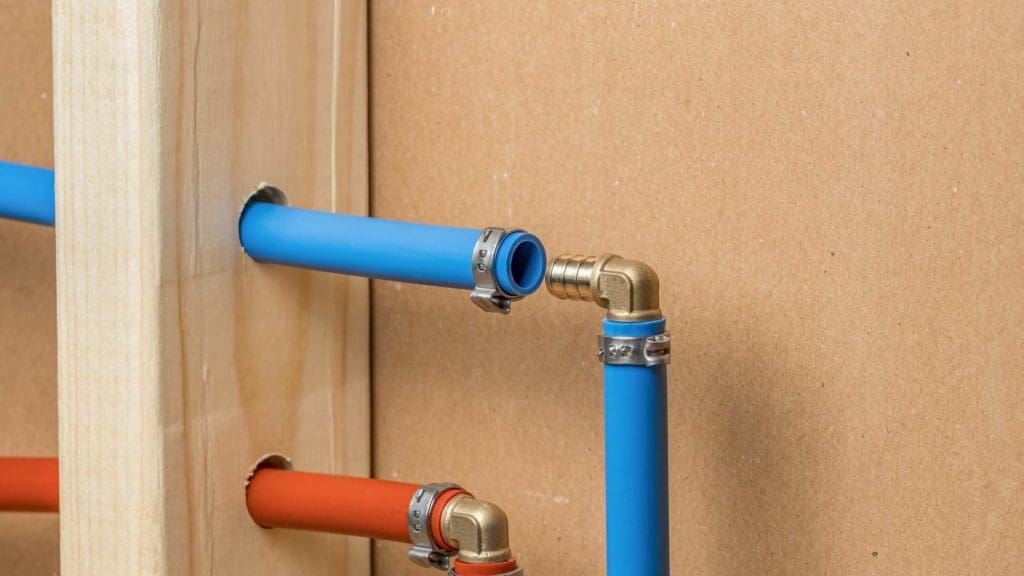
Next, the repiping specialist will suggest the best material options for your home. Among the plumbing materials available nowadays,PEX offers several advantages that make it an excellent choice for many applications. To begin with, PEX pipes are lightweight and flexible, which means they can be inserted easily in existing water line pathways. Because PEX piping is easier to install and requires smaller openings in drywall, repipe specialists can complete the work sooner. In addition, PEX costs less than other plumbing materials and may last longer because it doesn’t corrode. As well, PEX has a low thermal conductivity rate. As a result, it conserves energy better than other plumbing materials, including copper.Â
During the repiping process, the plumbers will cover all work areas with plastic sheets in order to prevent damage to your floors, furniture, and other belongings. Then, using special tools that indicate the exact locations of pipes behind your walls, the plumbers will cut and remove small portions of drywall to access your pipes. The pipes in the flooring are usually reached from the basement or ceiling. After installing the new pipes, the plumbers will clean up the mess and restore your home to its previous condition by patching up, retexturing, and repainting the drywall. Once repiping is done, you’ll have a new, leak-free plumbing system.
While a repiping project typically involves replacing an old plumbing system with a new one, you could also opt for specific retrofitting tasks, such as installing a new water heater, expanding the current plumbing system to a home addition, and upgrading your home with low-flow fixtures. Because newer models oflow-flow fixtures, including toilets, faucets, and showerheads, use considerably less water, they can lower your water bills considerably. Besides saving you money in the long run and increasing the functionality of your home, installing new fixtures as part of your repiping project will allow you to give your home a fresh look at a lower price than if you would choose to do each job separately.Â
Depending on the size of your home, a repiping project can take up to a week to complete. After repiping your home, the plumbers will test the plumbing system in order to make sure that water is flowing properly. You should notice the difference in your plumbing system right away. Not only will your water flow easier through pipes, which will increase its pressure; it may also taste better because it doesn’t have to make its way through old, corroded pipes to get to you. Monthly water bills may decrease as well, and you probably won’t have to worry about repairs for many years to come.
Repiping your home doesn’t have to be an overwhelming process. Byapproaching the right repipe specialists, you’ll get all the details about the work that needs to be done, the best materials for the job, and a team of experienced professionals who can complete any repiping project quickly and effectively.Â
Homeowner Feedback: How Repiping Services Prevent Plumbing Issues
I find it fascinating that you could use repiping services to prevent the effects of plumbing issues around your home. I have a friend who wants to remodel his uncle’s old summer home into a house that he could live in. I should talk to him about finding a repipe specialist that can help him out someday.
By Subscribing you agree to receive speacial news from Alled Foundation.
[forminator_form id="1732"]
pex, plumbing system, repiping costs, water damage, leaks, home repipe, replumb, house repipe, lead pipes, plumbing issues, repipe, repiping, homeowners, repipe cost, low water pressure, repipe house cost, replumbing house cost, repiping house with pex, whole house repipe cost, replumbing house, house repiping near me, home repiping near me, re pipe house, pex repiping, repiping a house, whole house repipe, home repiping, home repipe cost, whole home repipe, repiping services, water supply, water pressure, repair, hot water pipes, repairs, pipe, leak, drain, polybutylene, whole house repiping, copper, corrosion, sink, pressure, drywall, shower, chlorinated polyvinyl chloride, inspection, cost, wall, leak detection, basement, renovation, valve, steel, polyvinyl chloride, drinking water, lead, warranty, plastic, plumbing services, repipes, repipe specialists, repiping house cost, cost to repipe entire house, house replumbing, polyethylene, dishwasher, pump, bathtub, plumbing contractor, repipe house
Frequently Asked Questions
Can I repipe a house in stages?
Yes, you can typically repipe a house in stages, allowing you to spread out the cost and disruption over time rather than doing the entire home at once.
How long does whole house repiping typically take?
The whole house repiping process typically takes 3-5 days to complete, depending on the size of the home and the complexity of the project.
Can I repipe my house in sections instead of all at once?
Yes, you can repipe your house in sections instead of all at once. This approach allows you to tackle the project in manageable phases, minimizing disruption and spreading out the costs over time.
What kind of pipes are used for whole house repiping?
For whole house repiping, PEX (cross-linked polyethylene) pipes are commonly used. PEX pipes are durable, flexible, and resistant to corrosion, making them a popular choice for comprehensive plumbing system replacements.
What are the signs that my house needs repiping?
The signs that your house needs repiping include low water pressure, discolored water, frequent leaks, and corroded or outdated plumbing materials. These indicate the need for a professional evaluation and potential repiping to improve your home's plumbing system.
How do I choose a whole house repiping contractor?
Choosing a whole house repiping contractor involves considering their licensing, experience, warranties, and customer reviews to ensure a reliable and quality repiping service that meets your home's needs.
Can I repipe my house by myself?
Repiping a house by yourself is generally not recommended, as it requires specialized skills, tools, and code compliance. Repiping is a complex process that is best handled by professional plumbers to ensure proper installation and avoid potential issues.
What are the benefits of repiping a house?
The benefits of repiping a house include improved water quality and flow, reduced leaks, and enhanced home value. Repiping addresses aging plumbing systems, ensuring reliable and efficient water delivery throughout the home.
What are the risks of not repiping my house?
The risks of not repiping your house include increased likelihood of water leaks, reduced water pressure, potential water contamination, and greater risk of plumbing failures, which can lead to costly home repairs and water damage.
What is the average cost of whole house repiping?
The average cost of whole house repiping can range from $3,000 to $15,000, depending on the size of the home, the materials used, and the complexity of the project.
What permits are required for repiping a house?
Obtaining the necessary permits for repiping a house is typically required by local building and plumbing codes. The specific permits needed may vary by location, but generally include a plumbing permit to ensure the repiping work is done to code.
How can I assess my repiping needs?
Assessing your repiping needs involves evaluating factors such as the age of your plumbing system, water pressure and quality issues, frequent leaks, and discolored or corroded pipes. Consulting a professional plumber can help determine if repiping is necessary to improve your home's water system.
What is the best time for repiping?
The best time for repiping is typically during the warmer months when plumbing work can be done more easily and efficiently, as it allows for better access to the home's plumbing system.
How do I prepare my home for repiping?
Preparing your home for repiping involves clearing access to plumbing, covering furniture and floors, and ensuring electricity and water supply are turned off. This helps facilitate the repiping process efficiently and minimize disruption to your home.
What are the common materials used in repiping?
The common materials used in repiping houses are copper, PEX (cross-linked polyethylene), and CPVC (chlorinated polyvinyl chloride). These materials are durable, corrosion-resistant, and provide efficient water flow for residential plumbing systems.
How does repiping affect my home’s plumbing system?
Repiping your home's plumbing system can significantly improve water quality, flow, and reduce the risk of leaks, ultimately enhancing the overall functionality and efficiency of your home's plumbing.
What should I expect during the repiping process?
The repiping process typically involves the replacement of old, outdated plumbing pipes with new, more efficient piping materials. This may require accessing walls, floors, and ceilings to access and replace the existing pipes, which can be disruptive but necessary to improve the home's plumbing system.
How can I find a reliable repiping contractor?
Finding a reliable repiping contractor involves researching local plumbers, checking their licensing and insurance, reading reviews, and requesting quotes to compare services and pricing. Selecting an experienced, reputable contractor is crucial for a successful repiping project.
What are the long-term benefits of repiping?
The long-term benefits of repiping include improved water quality and flow, reduced risk of leaks, and enhanced home value. Repiping can significantly extend the lifespan of a home's plumbing system, providing a durable and efficient solution.
How does repiping improve water pressure?
Repiping can improve water pressure by replacing old, corroded pipes with new, wider-diameter pipes that allow for greater water flow and distribution throughout the plumbing system.
What factors influence the cost of repiping?
The factors that influence the cost of repiping include the size of the home, the materials used (such as copper or PEX), the complexity of the plumbing system, the accessibility of the pipes, and the labor costs in the local area.
Can I live in my house during repiping?
Yes, you can typically live in your house during the repiping process. The repiping specialists will work to minimize disruption and ensure that essential plumbing services remain functional throughout the project.
What are the signs of pipe corrosion?
The signs of pipe corrosion include discolored water, low water pressure, frequent clogs, and visible rust or pitting on pipes. These indicators suggest the need for a professional assessment and potential repiping to address the underlying issues.
How often should I consider repiping my house?
Homeowners should consider repiping their house every 20-50 years, depending on the age and condition of the existing plumbing system. Regular inspections can help determine if repiping is necessary to address leaks, poor water pressure, or other plumbing issues.
What is the lifespan of repiping materials?
The lifespan of repiping materials can vary, but PEX piping, a common material used for repiping, typically has a lifespan of 50 to 100 years with proper installation and maintenance.
How does repiping impact home insurance?
Repiping a home can positively impact home insurance by reducing the risk of water damage, leaks, and plumbing failures, which may lead to lower insurance premiums and better coverage options for homeowners.
What are the environmental benefits of repiping?
The environmental benefits of repiping include reduced water waste from leaks, improved water efficiency, and the use of lead-free materials, which contribute to a more sustainable and eco-friendly home plumbing system.
How can I finance my repiping project?
To finance your repiping project, Allied Foundation Repair offers affordable financing options, including payment plans and financing through trusted partners, to help make the necessary plumbing repairs more accessible for homeowners.
What are the common mistakes in repiping?
Common mistakes in repiping include failing to properly shut off water supply, not addressing the root cause of plumbing issues, using low-quality materials, and not hiring experienced professionals, which can lead to costly, recurring problems.
How do I maintain my plumbing after repiping?
Maintaining your plumbing after repiping involves regular inspections, cleaning, and addressing any leaks or issues promptly. This helps ensure the longevity and efficiency of your new plumbing system.
re piping, repiping a house, home repiping, whole house repiping, plumbing repiping, whole home repiping, repiping contractor
Signs That Your Home Needs Repiping
If you're experiencing frequent leaks, low water pressure, discolored water, or strange noises from your pipes, these could be signs that your home needs repiping. Addressing these issues early can help prevent further damage and ensure your plumbing system is functioning efficiently.
Corrosion, rust, and age can all contribute to the deterioration of pipes over time. Identifying these problems and consulting with a professional repiping specialist can help you determine the best course of action for your home.
Benefits of Repiping with PEX Material
When repiping your home, using PEX (cross-linked polyethylene) material can offer several advantages. PEX pipes are flexible, resistant to corrosion, and less prone to leaks compared to traditional metal pipes. This can result in improved water quality, increased water pressure, and a more reliable plumbing system.
Additionally, PEX pipes are generally easier to install, which can help reduce the overall cost and disruption of a repiping project. Homeowners may also see a reduction in their water bills due to the improved efficiency of a PEX plumbing system.
Financing Options for Repiping Projects
Repiping a home can be a significant investment, but there are often financing options available to make the process more affordable. Many plumbing companies, including Allied Foundation Repair, offer low monthly payment plans and other financing solutions to help homeowners cover the cost of a repiping project.
Exploring these financing options can help homeowners budget for the necessary repairs and upgrades to their plumbing system, ensuring they can maintain the integrity and functionality of their home's infrastructure.
Importance of Working with a Repiping Specialist
When it comes to repiping your home, it's crucial to work with an experienced and reputable repiping specialist. These professionals have the knowledge and expertise to properly assess your plumbing system, identify the root causes of any issues, and develop a comprehensive solution that addresses your specific needs.
By partnering with a repiping specialist, homeowners can be confident that the work will be completed efficiently, effectively, and with minimal disruption to their daily lives. The specialist can also provide guidance on the best materials and techniques to use, ensuring the longevity and performance of the new plumbing system.
pex, plumbing system, repiping costs, water damage, leaks, home repipe, replumb, house repipe, lead pipes, plumbing issues, repipe, repiping, homeowners, repipe cost, low water pressure, repipe house cost, replumbing house cost, repiping house with pex, whole house repipe cost, replumbing house, house repiping near me, home repiping near me, re pipe house, pex repiping, repiping a house, whole house repipe, home repiping, home repipe cost, whole home repipe, repiping services, water supply, water pressure, repair, hot water pipes, repairs, pipe, leak, drain, polybutylene, whole house repiping, copper, corrosion, sink, pressure, drywall, shower, chlorinated polyvinyl chloride, inspection, cost, wall, leak detection, basement, renovation, valve, steel, polyvinyl chloride, drinking water, lead, warranty, plastic, plumbing services, repipes, repipe specialists, repiping house cost, cost to repipe entire house, house replumbing, polyethylene, dishwasher, pump, bathtub, plumbing contractor, repipe house
Frequently Asked Questions
Can I repipe a house in stages?
Yes, you can typically repipe a house in stages, allowing you to spread out the cost and disruption over time rather than doing the entire home at once.
How long does whole house repiping typically take?
The whole house repiping process typically takes 3-5 days to complete, depending on the size of the home and the complexity of the project.
Can I repipe my house in sections instead of all at once?
Yes, you can repipe your house in sections instead of all at once. This approach allows you to tackle the project in manageable phases, minimizing disruption and spreading out the costs over time.
What kind of pipes are used for whole house repiping?
For whole house repiping, PEX (cross-linked polyethylene) pipes are commonly used. PEX pipes are durable, flexible, and resistant to corrosion, making them a popular choice for comprehensive plumbing system replacements.
What are the signs that my house needs repiping?
The signs that your house needs repiping include low water pressure, discolored water, frequent leaks, and corroded or outdated plumbing materials. These indicate the need for a professional evaluation and potential repiping to improve your home's plumbing system.
How do I choose a whole house repiping contractor?
Choosing a whole house repiping contractor involves considering their licensing, experience, warranties, and customer reviews to ensure a reliable and quality repiping service that meets your home's needs.
Can I repipe my house by myself?
Repiping a house by yourself is generally not recommended, as it requires specialized skills, tools, and code compliance. Repiping is a complex process that is best handled by professional plumbers to ensure proper installation and avoid potential issues.
What are the benefits of repiping a house?
The benefits of repiping a house include improved water quality and flow, reduced leaks, and enhanced home value. Repiping addresses aging plumbing systems, ensuring reliable and efficient water delivery throughout the home.
What are the risks of not repiping my house?
The risks of not repiping your house include increased likelihood of water leaks, reduced water pressure, potential water contamination, and greater risk of plumbing failures, which can lead to costly home repairs and water damage.
What is the average cost of whole house repiping?
The average cost of whole house repiping can range from $3,000 to $15,000, depending on the size of the home, the materials used, and the complexity of the project.
What permits are required for repiping a house?
Obtaining the necessary permits for repiping a house is typically required by local building and plumbing codes. The specific permits needed may vary by location, but generally include a plumbing permit to ensure the repiping work is done to code.
How can I assess my repiping needs?
Assessing your repiping needs involves evaluating factors such as the age of your plumbing system, water pressure and quality issues, frequent leaks, and discolored or corroded pipes. Consulting a professional plumber can help determine if repiping is necessary to improve your home's water system.
What is the best time for repiping?
The best time for repiping is typically during the warmer months when plumbing work can be done more easily and efficiently, as it allows for better access to the home's plumbing system.
How do I prepare my home for repiping?
Preparing your home for repiping involves clearing access to plumbing, covering furniture and floors, and ensuring electricity and water supply are turned off. This helps facilitate the repiping process efficiently and minimize disruption to your home.
What are the common materials used in repiping?
The common materials used in repiping houses are copper, PEX (cross-linked polyethylene), and CPVC (chlorinated polyvinyl chloride). These materials are durable, corrosion-resistant, and provide efficient water flow for residential plumbing systems.
How does repiping affect my home’s plumbing system?
Repiping your home's plumbing system can significantly improve water quality, flow, and reduce the risk of leaks, ultimately enhancing the overall functionality and efficiency of your home's plumbing.
What should I expect during the repiping process?
The repiping process typically involves the replacement of old, outdated plumbing pipes with new, more efficient piping materials. This may require accessing walls, floors, and ceilings to access and replace the existing pipes, which can be disruptive but necessary to improve the home's plumbing system.
How can I find a reliable repiping contractor?
Finding a reliable repiping contractor involves researching local plumbers, checking their licensing and insurance, reading reviews, and requesting quotes to compare services and pricing. Selecting an experienced, reputable contractor is crucial for a successful repiping project.
What are the long-term benefits of repiping?
The long-term benefits of repiping include improved water quality and flow, reduced risk of leaks, and enhanced home value. Repiping can significantly extend the lifespan of a home's plumbing system, providing a durable and efficient solution.
How does repiping improve water pressure?
Repiping can improve water pressure by replacing old, corroded pipes with new, wider-diameter pipes that allow for greater water flow and distribution throughout the plumbing system.
What factors influence the cost of repiping?
The factors that influence the cost of repiping include the size of the home, the materials used (such as copper or PEX), the complexity of the plumbing system, the accessibility of the pipes, and the labor costs in the local area.
Can I live in my house during repiping?
Yes, you can typically live in your house during the repiping process. The repiping specialists will work to minimize disruption and ensure that essential plumbing services remain functional throughout the project.
What are the signs of pipe corrosion?
The signs of pipe corrosion include discolored water, low water pressure, frequent clogs, and visible rust or pitting on pipes. These indicators suggest the need for a professional assessment and potential repiping to address the underlying issues.
How often should I consider repiping my house?
Homeowners should consider repiping their house every 20-50 years, depending on the age and condition of the existing plumbing system. Regular inspections can help determine if repiping is necessary to address leaks, poor water pressure, or other plumbing issues.
What is the lifespan of repiping materials?
The lifespan of repiping materials can vary, but PEX piping, a common material used for repiping, typically has a lifespan of 50 to 100 years with proper installation and maintenance.
How does repiping impact home insurance?
Repiping a home can positively impact home insurance by reducing the risk of water damage, leaks, and plumbing failures, which may lead to lower insurance premiums and better coverage options for homeowners.
What are the environmental benefits of repiping?
The environmental benefits of repiping include reduced water waste from leaks, improved water efficiency, and the use of lead-free materials, which contribute to a more sustainable and eco-friendly home plumbing system.
How can I finance my repiping project?
To finance your repiping project, Allied Foundation Repair offers affordable financing options, including payment plans and financing through trusted partners, to help make the necessary plumbing repairs more accessible for homeowners.
What are the common mistakes in repiping?
Common mistakes in repiping include failing to properly shut off water supply, not addressing the root cause of plumbing issues, using low-quality materials, and not hiring experienced professionals, which can lead to costly, recurring problems.
How do I maintain my plumbing after repiping?
Maintaining your plumbing after repiping involves regular inspections, cleaning, and addressing any leaks or issues promptly. This helps ensure the longevity and efficiency of your new plumbing system.
re piping, repiping a house, home repiping, whole house repiping, plumbing repiping, whole home repiping, repiping contractor
Signs That Your Home Needs Repiping
If you're experiencing frequent leaks, low water pressure, discolored water, or strange noises from your pipes, these could be signs that your home needs repiping. Addressing these issues early can help prevent further damage and ensure your plumbing system is functioning efficiently.
Corrosion, rust, and age can all contribute to the deterioration of pipes over time. Identifying these problems and consulting with a professional repiping specialist can help you determine the best course of action for your home.
Benefits of Repiping with PEX Material
When repiping your home, using PEX (cross-linked polyethylene) material can offer several advantages. PEX pipes are flexible, resistant to corrosion, and less prone to leaks compared to traditional metal pipes. This can result in improved water quality, increased water pressure, and a more reliable plumbing system.
Additionally, PEX pipes are generally easier to install, which can help reduce the overall cost and disruption of a repiping project. Homeowners may also see a reduction in their water bills due to the improved efficiency of a PEX plumbing system.
Financing Options for Repiping Projects
Repiping a home can be a significant investment, but there are often financing options available to make the process more affordable. Many plumbing companies, including Allied Foundation Repair, offer low monthly payment plans and other financing solutions to help homeowners cover the cost of a repiping project.
Exploring these financing options can help homeowners budget for the necessary repairs and upgrades to their plumbing system, ensuring they can maintain the integrity and functionality of their home's infrastructure.
Importance of Working with a Repiping Specialist
When it comes to repiping your home, it's crucial to work with an experienced and reputable repiping specialist. These professionals have the knowledge and expertise to properly assess your plumbing system, identify the root causes of any issues, and develop a comprehensive solution that addresses your specific needs.
By partnering with a repiping specialist, homeowners can be confident that the work will be completed efficiently, effectively, and with minimal disruption to their daily lives. The specialist can also provide guidance on the best materials and techniques to use, ensuring the longevity and performance of the new plumbing system.
Homeowner Feedback: How Repiping Services Prevent Plumbing Issues
I find it fascinating that you could use repiping services to prevent the effects of plumbing issues around your home. I have a friend who wants to remodel his uncle’s old summer home into a house that he could live in. I should talk to him about finding a repipe specialist that can help him out someday.