Frequently Asked Questions
Are French drains a good idea?
French drains can be a good idea for homes with foundation water issues, as they effectively divert water away from the foundation and prevent damage. Proper installation is crucial for their effectiveness in protecting home foundations.
How to install a French drain in a yard?
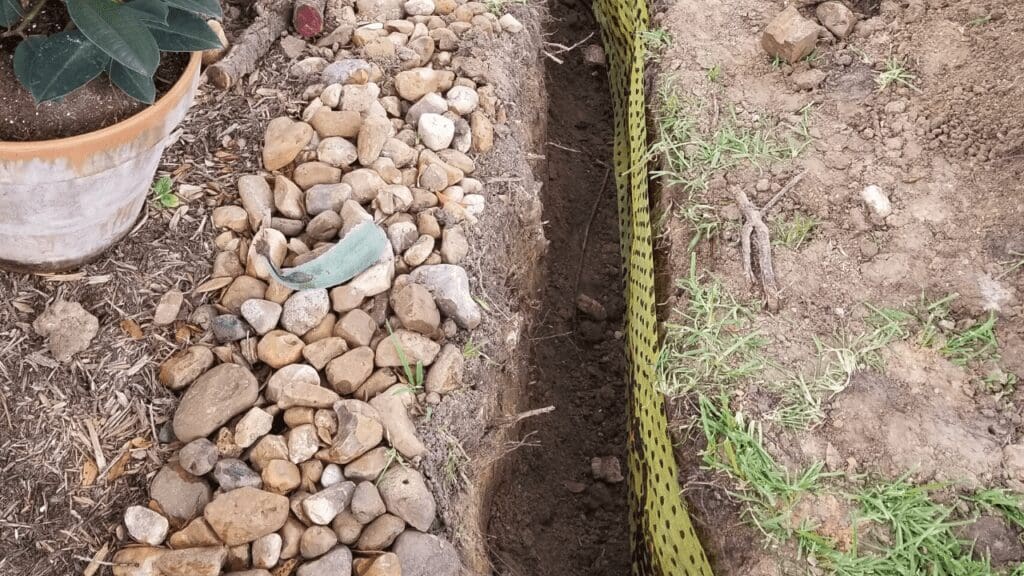
Installing a French drain in a yard involves digging a trench, laying perforated pipe, and covering it with gravel to create a drainage system that redirects water away from the home's foundation.
Can a French drain be used for waterproofing basements?
Yes, a French drain can be used for waterproofing basements. A French drain system installed around the perimeter of a basement can effectively divert groundwater away from the foundation, helping to prevent water intrusion and basement leaks.
Do French drains require regular maintenance?
French drains do require some regular maintenance to ensure they continue to function effectively in managing water around the home's foundation.
What is a French drain and how does it work?
A French drain is a buried drainage system that collects and diverts water away from a home's foundation. It consists of a perforated pipe surrounded by gravel, installed in a shallow trench to intercept and redirect groundwater or surface runoff.
What is a French drain around a house?
A French drain is a drainage system installed around a home's foundation to collect and divert excess water away from the structure, preventing water-related issues such as foundation damage.
What is the average cost of a French drain installation?
The average cost of a French drain installation typically ranges from $3,000 to $6,000, depending on factors such as the size of the project, the complexity of the drainage system, and the location of the home.
What are the benefits of having a French drain?
The benefits of having a French drain include effectively diverting water away from the home's foundation, preventing water damage, and protecting the structural integrity of the property.
Can a French drain be installed in an existing yard?
Yes, a French drain can be installed in an existing yard. The process typically involves digging a trench, installing a perforated pipe, and covering it with gravel to help redirect water away from the home's foundation and prevent water damage.
How long does a French drain typically last?
A properly installed French drain can typically last 20 to 30 years or more with minimal maintenance, provided the system is not obstructed by debris or roots over time.
What materials are needed for a French drain?
The materials needed for a French drain typically include perforated drain pipe, gravel or crushed stone, filter fabric, and shovels or other excavation tools for installation.
How deep should a French drain be?
The optimal depth for a French drain is typically between 18 to 24 inches below the surface. This depth allows the drain to effectively collect and divert water away from the foundation while remaining accessible for maintenance and repairs.
Can French drains prevent basement flooding?
French drains can help prevent basement flooding by diverting water away from the foundation and directing it away from the home, thereby reducing the risk of water accumulation in the basement.
What is the best location for a French drain?
The best location for a French drain is along the perimeter of the home's foundation, where it can effectively collect and redirect excess water away from the structure, preventing potential water damage.
How do I maintain my French drain?
Maintaining a French drain involves regularly cleaning the outlet, removing debris, and ensuring proper drainage flow. This helps prevent clogging and ensures the drain continues to effectively divert water away from the foundation.
What are common issues with French drains?
Common issues with French drains include clogging from debris, improper installation leading to leaks, and insufficient slope causing water stagnation. These issues can compromise the drain's effectiveness and lead to water damage if not addressed promptly.
How does a French drain work in heavy rain?
A French drain is designed to efficiently redirect excess water away from a home's foundation during heavy rain. The perforated pipe buried in the gravel-filled trench collects and channels the water, preventing it from accumulating and causing potential damage.
Can I install a French drain myself?
Installing a French drain can be done by homeowners, but it requires careful planning, proper equipment, and attention to detail to ensure effective drainage and avoid potential issues. Professional installation may be recommended for complex projects or to ensure long-term performance.
What is the lifespan of a French drain?
The lifespan of a French drain typically ranges from 20 to 50 years, depending on the quality of installation, maintenance, and local environmental factors.
How do I know if I need a French drain?
The need for a French drain is determined by the presence of water accumulation around your home's foundation, persistent dampness, or issues with water drainage. If you observe these signs, a French drain may be necessary to protect your foundation from water damage.
What are the signs of a clogged French drain?
Signs of a clogged French drain include standing water around the drain, water not draining properly, and water pooling or flooding near the foundation. These indicate the drain is obstructed and needs cleaning or repair.
How much does French drain installation cost?
The cost of French drain installation can vary depending on factors such as the size of the area, accessibility, and complexity of the project, but generally ranges from $1,500 to $8,000.
What is the difference between French drains and sump pumps?
The difference between French drains and sump pumps is that French drains are passive drainage systems that rely on gravity to divert water away from the foundation, while sump pumps are active systems that use a pump to remove water collected in a sump pit.
Can French drains help with yard drainage issues?
French drains can effectively address yard drainage issues by directing excess water away from the home's foundation and toward a designated drainage area, helping to prevent water damage and pooling.
What is the best slope for a French drain?
The recommended slope for a French drain is a minimum of 1% to ensure proper water drainage away from the foundation. This gradual slope helps the water flow effectively without creating erosion or pooling issues.
How do I clean a French drain?
Cleaning a French drain involves removing debris, leaves, and sediment that can clog the system. This is typically done by flushing the drain with a hose or using a plumber's snake to clear any blockages.
Are there alternatives to French drains?
There are several alternatives to French drains, such as surface drainage systems, catch basins, and dry wells, each with its own advantages depending on the specific site conditions and water management needs.
What is the purpose of gravel in a French drain?
The purpose of gravel in a French drain is to provide a permeable layer that allows water to easily flow into the drain pipe, while preventing soil from clogging the system.
How do I choose a French drain contractor?
Choosing a French drain contractor involves considering their experience, licensing, and references to ensure they have the expertise to properly install the drainage system and protect your home's foundation.
What permits are needed for French drain installation?
The permits needed for French drain installation vary depending on local building codes and regulations. Homeowners should check with their local authorities to determine the specific permit requirements in their area before proceeding with the installation.